



 Plastic Sheet


 Food Containers


 Sealing Film


 Food Packing Machinery
  One-Stop Solutions

PP vs PE Lunch Boxes Pros and Cons for Your Lifestyle
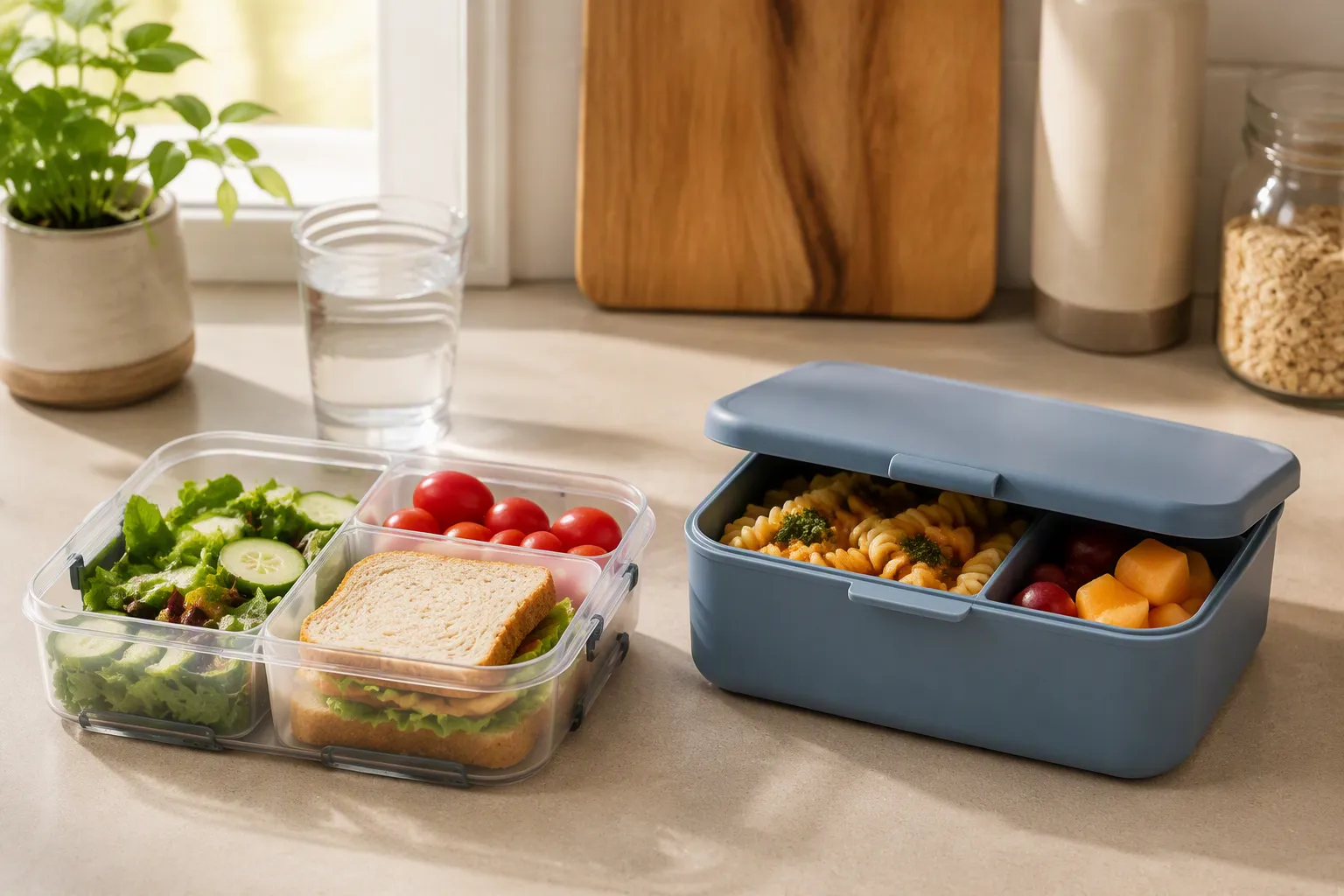
Both polypropylene (PP) and polyethylene (PE) are food-safe materials. PP handles heat well. PE handles cold better. This difference matters for your daily lunch routine.
Consider your habits. Do you microwave a lunch box at work? Do you store meals in the freezer? Do you pack a PP lunch box for a child? Your lifestyle determines the right choice.
These two plastics serve different purposes. PP resists high temperatures. Polyethylene stays flexible in cold conditions.
For Brand Owners and Packaging Buyers: Choosing between PP and PE affects not only the end-user experience but also your production costs, printing compatibility (such as IML or UV printing), and sustainability goals. Understanding these material properties helps you make smarter procurement and customization decisions.
Key Takeaways
A PP lunch box is best for hot meals and microwaving because it resists heat up to 212°F.
A PE lunch box works well for cold foods and freezer storage because it stays flexible in freezing temperatures.
Check the recycling code on your container: code #5 means microwave-safe PP, codes #2 and #4 mean cold-safe PE.
Both PP and PE are food-safe and recyclable, but each material suits a different daily routine and supply chain need.
Polypropylene vs Polyethylene Basics
What Is PP (Polypropylene)?
Polypropylene is a stiff, heat-resistant plastic. It belongs to the polyolefin family. A PP lunch box holds its shape well under warm conditions. The material contains methyl side groups along its polymer backbone. These side groups restrict molecular movement. This structure gives polypropylene higher stiffness and better heat resistance than many alternatives.
Polypropylene performs well in food packaging because it resists acids, alkalis, and organic solvents. Its chemical resistance makes it a reliable choice for storing diverse meals. A PP plastic bento lunch box often uses polypropylene for the main container body. The material also offers good clarity and barrier properties. These traits help keep food fresh and visible.
Property | Polypropylene (PP) | Polyethylene (PE) |
|---|---|---|
Density (g/cm³) | 0.91 | 0.91–0.965 |
Melting Point (°C) | 165–175 | 105–115 |
Tensile Strength (MPa) | 25–40 | 20–30 |
Impact Strength (kJ/m²) | 20–30 | 15–25 |
Chemical Resistance | Excellent against most acids, alkalis, and organic solvents | Good against many acids, bases, and solvents |
Glass Transition Temperature (°C) | –20 to 0 | –120 to –100 |
What Is PE (Polyethylene)?
Polyethylene is a flexible, moisture-resistant plastic. It has a simpler chain structure than polypropylene. This simpler structure allows more molecular movement. The result is greater flexibility and better impact performance at low temperatures. A PE plastic bento lunch box suits cold storage and freezer use.
Polyethylene resists moisture very well. Its water absorption stays below 0.01%. This property makes PE ideal for liquid packaging and frozen food storage. Low-density polyethylene maintains toughness down to -50°C. The material stretches significantly before breaking, with elongation at break between 400% and 800%.
Material Science Consensus: Polypropylene contains methyl (–CH₃) side groups attached to the polymer backbone, while polyethylene has a simpler chain structure. These side groups restrict molecular movement, giving PP higher stiffness and heat resistance, whereas PE remains more flexible with better impact performance at low temperatures.
Both polypropylene and polyethylene are food-safe plastics. They appear in lunch boxes, containers, and food packaging worldwide. Each material brings distinct strengths to different storage needs.
Heat and Microwave Safety
Why a PP Lunch Box Wins for Heat
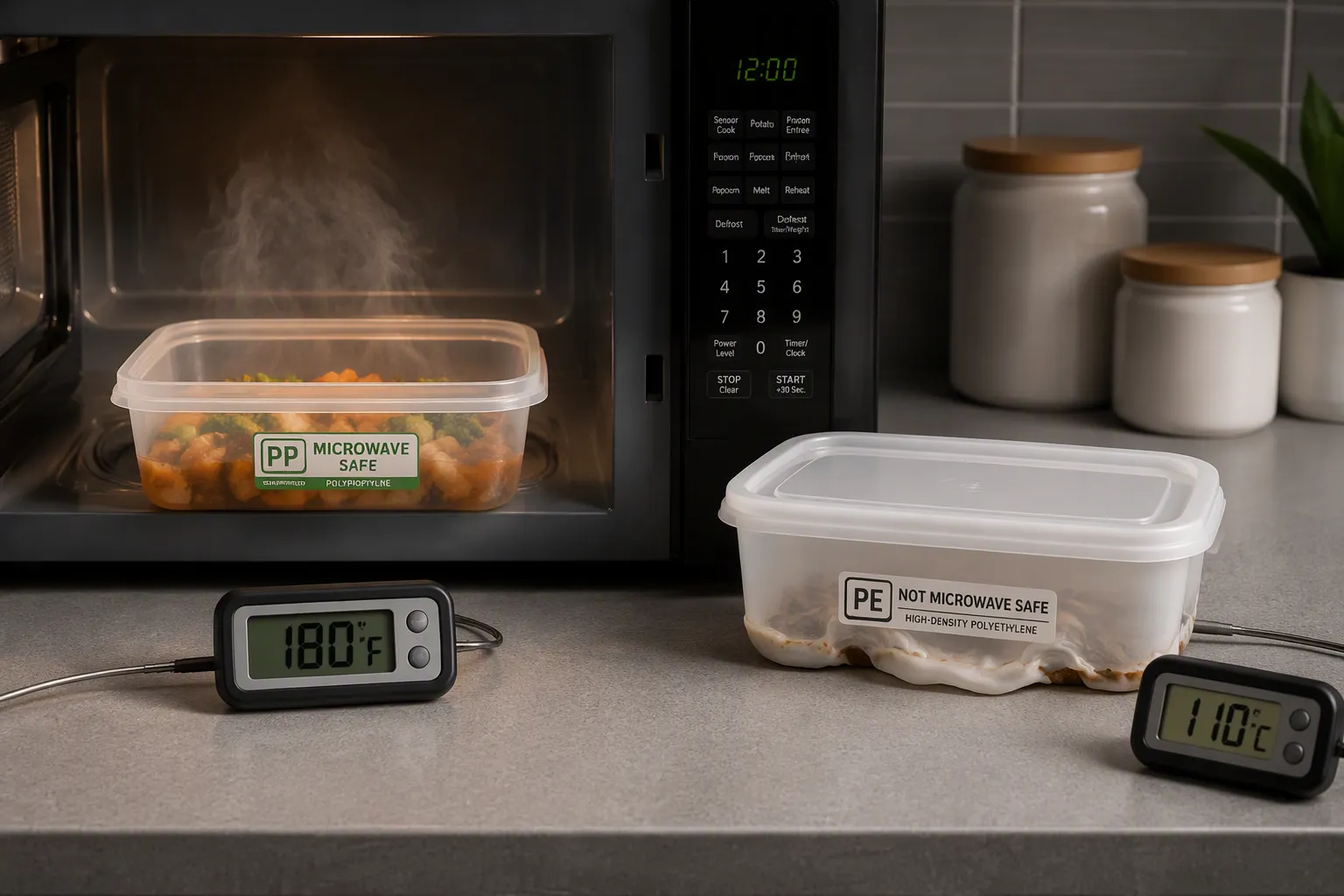
Polypropylene earns its reputation as the heat champion for lunch containers. The "microwave safe" label on a PP lunch box comes from real engineering. Polypropylene maintains structural integrity at temperatures up to 180°F (82°C) for continuous use. It withstands brief heating up to 212°F (100°C) without warping or deforming. The material starts to soften around 230°F (110°C) and does not reach its melting point until 320°F (160°C). These margins give polypropylene a wide safety buffer for everyday reheating.
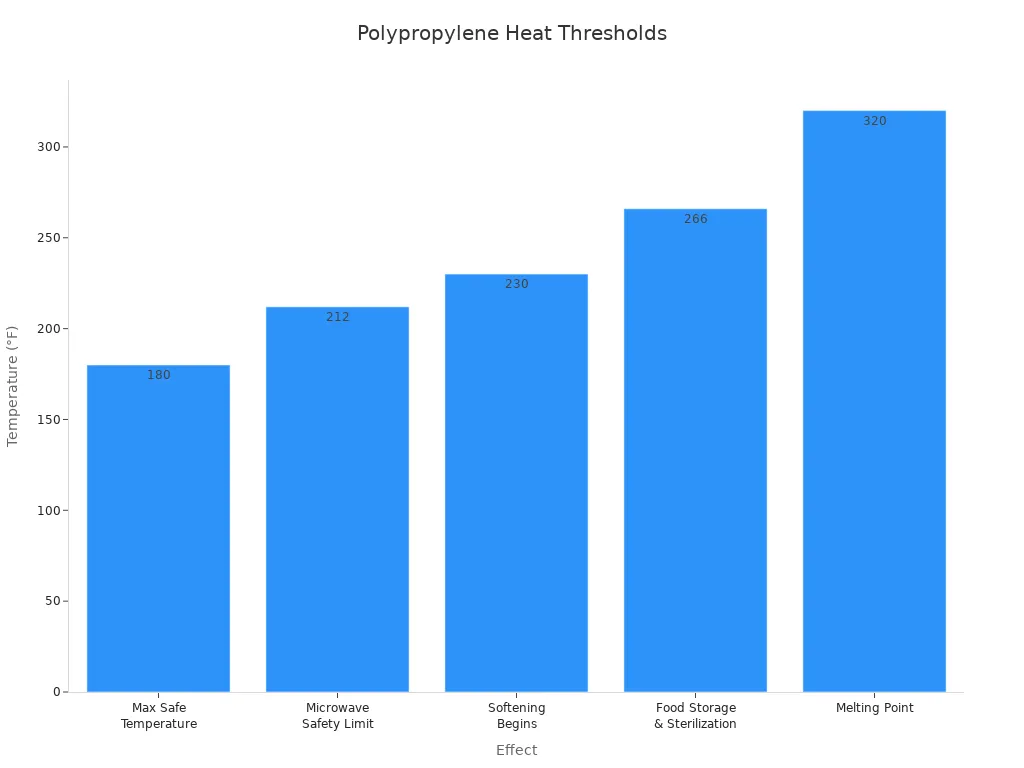
The chart above shows each temperature threshold clearly. Polypropylene maintains its rigid structure far below 212°F. This performance provides confidence for daily microwave use. The material resists thermal stress under normal reheating conditions.
This heat tolerance serves daily meal preparation well. The PP material resists acids, alkalis, and organic solvents commonly found in food. Its heat resistance ensures the container withstands repeated reheating cycles without degradation.
PP sheets approved for food warming applications are BPA-free. The high heat resistance of the material ensures the container holds its shape meal after meal.
Reheating leftovers becomes simple with this material choice. The container transitions directly from cold storage to hot contents without issues. Users do not worry about melting plastic. The material stays inert even at elevated temperatures.
PE and Hot Foods
Polyethylene behaves very differently under heat. High-density polyethylene has a heat distortion temperature of approximately 110°C. Its long-term use temperature stays below 100°C. When hot water above 90°C enters a PE container, significant softening and deformation occur. The material loses structural integrity even though it does not melt completely. This behavior makes polyethylene unsuitable for hot soups, gravy, or any reheated meal.
The "microwave safe" label on containers does not guarantee complete chemical safety. Testing focuses on physical stability under brief, controlled heating. Real-world microwave use involves uneven heat distribution and repeated cycles. Fat content and achieved temperature are critical factors. A 2024 EuroPlas study found that some plastic containers released endocrine-disrupting chemicals about 28% faster when reheating greasy foods above 149°F (65°C). Damaged containers with scratches or discoloration become even more prone to chemical leaching.
Polyethylene containers work well for cold foods but struggle with heat. Users who reheat soup in a PE box risk deformation and spills. The softening point of PE sits far below typical food warming temperatures. This difference matters for anyone who packs a hot meal.
Polymer | Oil Exposure Leaching Risk | Heat Threshold |
|---|---|---|
PP (#5) | Low | 120 °C |
HDPE (#2) | Moderate | 110 °C |
LDPE (#4) | Not specified | ~90 °C (warping begins) |
FDA Food Contact Guidelines: HDPE, LDPE, and PP are the primary plastics approved by the FDA for food contact due to their chemical stability and low leaching rates under specified temperature conditions.
Polypropylene and polyethylene both meet FDA standards. Their heat thresholds differ significantly. Polypropylene handles oil exposure with low leaching risk at temperatures up to 120°C. Polyethylene presents moderate leaching risk and warps at lower temperatures.
The consumer should check the recycling code before using any container for hot food. Containers marked with #5 (PP) handle heat well. Containers marked with #4 (LDPE) or #2 (HDPE) perform poorly with hot contents. This simple check prevents accidents and food safety issues. Families who pack school lunches should pay close attention to this distinction. Many lunch boxes labeled as durable still use PE components in lids or sealing parts. These components may warp or leak when exposed to warm food. Checking the code protects both the container and the meal inside.
Cold Resistance and Freezer Use
PE Plastic Bento Lunch Box for Freezer Use
Polyethylene outperforms polypropylene in cold environments. A PE plastic bento lunch box stays flexible and crack-resistant when temperatures drop well below freezing. This cold resistance makes polyethylene a reliable choice for freezer meal prep and cold food storage.
High-density polyethylene does not become brittle in freezing temperatures. Its tolerance range spans from -100°F to 190°F. Linear low-density polyethylene performs similarly, with a range of -100°F to 175°F. Both types maintain impact strength and resist cracking under thermal stress.
Polyethylene Type | Behavior in Freezing Temperatures | Temperature Tolerance Range |
|---|---|---|
High Density Polyethylene (HDPE) | Does not become brittle; highly impact and crack resistant | -100°F to 190°F |
Linear Low-Density Polyethylene (LDPE) | Does not become brittle; flexible and highly impact and crack resistant | -100°F to 175°F |
This cold resistance benefits anyone who freezes meals in advance. The PE material handles temperature swings without damage. A lunch box made from polyethylene keeps its shape through repeated freeze-thaw cycles. The fresh-keeping quality of the material also protects food from moisture loss during frozen storage.
PP in the Freezer
Polypropylene behaves differently at low temperatures. Standard PP homopolymer becomes brittle at temperatures below freezing. The glass transition temperature of polypropylene sits around the freezing point of water. Its practical ductile-to-brittle transition occurs at temperatures around freezing.
Polymer Behavior Note: Standard Polypropylene (PP) homopolymers and PVC are both plastics that become noticeably brittle at temperatures well below freezing.
A PP part that feels tough at room temperature can become dangerously brittle on a cold morning. This limitation affects freezer storage and winter transport.
Cold Storage Limitation: Polypropylene (PP) is a popular plastic for various uses, but it has limits in cold environments. Standard PP becomes brittle at temperatures below freezing, making PE the superior choice for freezer applications.
Durability, Clarity, and Recyclability
Which Material Lasts Longer?
Polypropylene provides greater strength and rigidity than its counterpart. The material's strength supports long-term use in daily lunch routines. Its impact resistance helps it withstand drops and rough handling during transport. The material resists cracking and deformation under normal lunch box conditions. PP delivers superior chemical resistance against common acids and alkalis. This combination makes polypropylene ideal for longevity. A lunch box made from the material endures daily wear and tear without losing shape. The high melting point around 160°C prevents softening during reheating. Users can place the container in the dishwasher without concern. The material maintains structural integrity through repeated cleaning cycles.
HDPE offers robust impact resistance too. It resists crushing during transport. Heavy contents do not cause deformation easily. LDPE provides more flexibility for different uses. PE handles cold well but cannot match the heat tolerance of PP. The lower melting point limits applications with warm food. Users who reheat food benefit from PP's durability. The structure remains intact meal after meal. A container made from PP withstands years of regular use. The investment in quality material pays off over time.
Looks and Recycling
Polypropylene is more rigid and durable than polyethylene, while polyethylene offers greater flexibility. Both materials are widely used in food packaging.
Polypropylene combines durability and heat resistance. The strength and chemical resistance of polypropylene support long-term daily lunch use. These qualities make the material a responsible choice for food packaging. Manufacturers trust this material for consistent results.
Food Safety and Everyday Peace of Mind
BPA, Leaching, and Staining
A safe lunch container requires verified compliance with established safety standards. Polypropylene is a food-grade plastic that meets FDA requirements for food contact. Its high heat resistance adds another safety layer. Polypropylene is non-toxic and BPA-free. Its chemical resistance prevents staining from tomato sauce and oily ingredients. Unlike some plastics that absorb pigments, polypropylene resists permanent discoloration. The surface stays clean after washing. The inert nature of polypropylene makes it a reliable choice for food packaging needs.
Odor and Flavor Retention
Polypropylene and polyethylene differ significantly in odor and flavor retention. PE has a more porous molecular structure at a microscopic level, making it more prone to absorbing strong food odors (like onions or seafood) and retaining flavors over time. In contrast, PP features a denser, highly crystalline surface that resists odor absorption and staining, making it much easier to clean and ideal for storing diverse, strongly flavored meals without cross-contamination.
Which Material Fits Your Lunch Lifestyle?
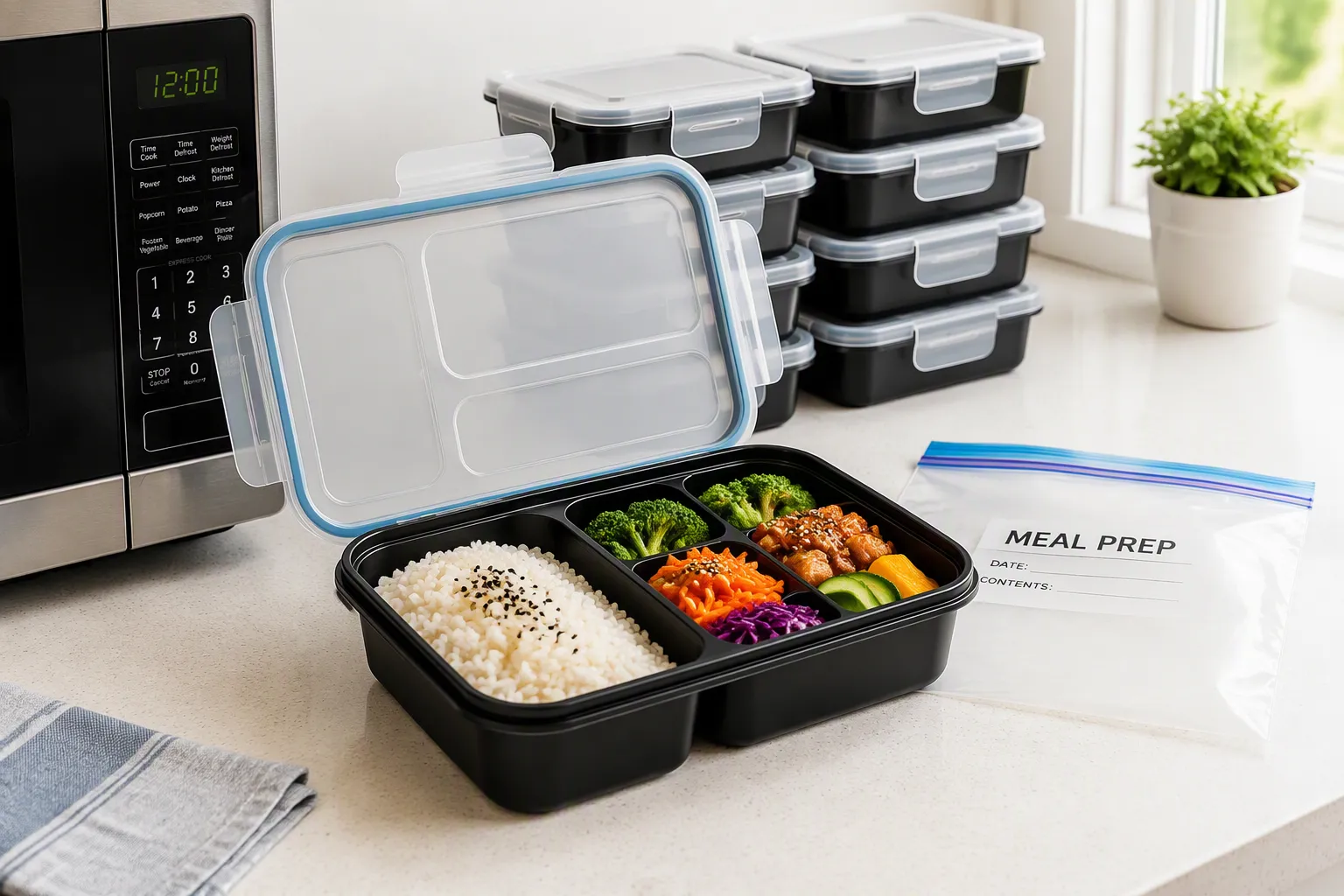
After reviewing safety and durability, the next step involves matching the material to your specific routine. Your daily habits determine which plastic serves you better.
PP Plastic Bento Lunch Box for Meal Prep
A PP container excels in weekly meal preparation. The material combines several features that support efficient storage and reheating. The table below shows how each characteristic supports your meal prep routine.
Feature | How It Helps Meal Prep |
|---|---|
Lightweight design | Carries multiple prepped meals to work or school without added weight. |
Heat resistance | Keeps contents at ideal temperature and supports safe reheating. |
Microwave-safe material | Lets you reheat directly without transferring to another container. |
Freezer limitation | PP may become brittle at low temperatures; use PE for freezer storage. |
Durability and sturdiness | Reliable for repeated daily use over weeks and months. |
Leak-proof and airtight seal | Prevents spills and keeps items separate during storage. |
Portion-control compartments | Helps manage serving sizes and maintain balanced nutrition. |
Stackability | Simplifies organization in bags, refrigerators, and cabinets. |
Dishwasher safety | Saves cleanup time after meal prep and daily use. |
A PP lunch box with these features simplifies the entire meal preparation process. The heat resistance eliminates the need for extra containers during reheating. The lightweight body reduces fatigue when carrying multiple boxes. A PP plastic bento lunch box with compartments makes portion control simple and efficient. The compartments prevent different items from mixing, which keeps textures intact during storage. The stackable design saves space in a crowded refrigerator. Cleaning becomes effortless because the material tolerates repeated dishwasher cycles. For those seeking reusable plastic heated bento boxes, this material provides the necessary temperature tolerance.
Kids' Lunch and Hot Meals on the Go
Parents need reliable containers for children's packed meals. A hot meal stored in a box requires a material that does not leach chemicals at elevated temperatures. Polypropylene meets this need effectively.
Manufacturing Standard: High-quality lunch box lids are typically made of FDA-compliant polypropylene and are strictly BPA-free to ensure consumer safety.
This compliance gives parents confidence when packing warm meals for school. Commuters and field workers also benefit from this heat tolerance. A hot meal stays warm longer in a PP container. The insulation properties help maintain serving temperature during transport. Testing confirms that PP does not release harmful substances under normal heating conditions. This fact matters for daily use over months and years.
Polyethylene serves a different role in this context. While PP handles heat, polyethylene is better suited for cold storage and freezer preparation. A PE container works well for cold items like yogurt, fruit, and chilled salads. The PE material resists cracking at low temperatures, which makes it ideal for frozen gel packs or frozen meals in a cooler bag.
For families who pack both hot and cold components, a mixed approach works best. Use a polypropylene container for the warm main dish. Use a polyethylene container for cold sides or frozen items. This strategy maximizes the strengths of each material and makes every meal more convenient.
Choosing Your Lunch Box
Check the material identification on the container before buying. Polypropylene is heat-resistant, while polyethylene is cold-resistant. This simple check prevents costly mistakes.
Quick Match: PP or PE?
Identify your main meal type first. Hot meals need a material that resists heat without warping. Cold meals need flexibility at low temperatures. Mixed temperature meals benefit from considering both options. Temperature cycling matters too. Moving food from fridge to microwave suits PP. Freezer-to-cooler use suits polyethylene.
Storage method guides the choice. Freezer storage favors this cold-ready plastic. Daily reheating favors the rigid plastic. Commuting risk also plays a role. A backpack carry needs leak-proof construction. Both materials offer good seal options. Build quality from a reputable manufacturer ensures safety. Food-grade materials from reputable manufacturers meet FDA standards.
Food safety depends on matching the material to the application. A PP lunch box for hot soup prevents chemical migration. A container for cold fruit salad stays crack-free. Office workers who reheat meals benefit from this material. Students and children benefit from the lightweight design. Each serves a clear purpose.
Multi-Material Lunch Boxes
Some designs combine both materials. A main body handles the hot dish. A side compartment stores cold items separately. This approach maximizes each material strength. The user gets heat resistance where needed and cold flexibility where it counts.
Manufacturers recognize this advantage. Manufacturers offer customization to meet diverse needs. Bulk buyers request specific combinations. A food packaging company might order bodies with sealing films. This tailored approach meets diverse market needs.
The multi-material strategy simplifies meal packing. One container holds both hot and cold components. Users avoid carrying multiple boxes. The design reduces waste. Families who pack varied meals benefit most.
Check the material of each component for proper disposal.
Polypropylene wins for heat and microwave use. Polyethylene wins for cold and freezer storage. Both materials are food-safe. Your daily routine should guide the choice. A PP lunch box suits reheating leftovers at work. A PE container suits frozen meal prep. Match the material to your most common eating habits. Check the material identification on the container before buying. Polypropylene is microwave-safe, while polyethylene is cold-safe. For advanced needs, consider specialized containers from reputable suppliers that meet FDA standards. This simple step ensures safety and performance. Choose the right material for your needs.
Ready to upgrade your packaging line? Whether you need microwave-safe PP bento boxes for meal prep brands or freezer-safe PE containers for cold chain logistics, Hsqy Pack provides customized, FDA-compliant packaging solutions. Contact our packaging experts today for a free consultation and bulk quote.
FAQ
Is a PP lunch box safe for microwave reheating?
Yes. Polypropylene maintains structural integrity at temperatures up to 180°F for continuous use. It withstands brief heating up to 212°F without warping. The material resists thermal stress under normal reheating conditions. Check that the container is microwave-safe before microwaving.
Can I freeze food in a PE container?
Yes. Polyethylene stays flexible and crack-resistant at freezing temperatures. High-density polyethylene tolerates temperatures from -100°F to 190°F. The material does not become brittle in cold conditions. A PE plastic bento lunch box suits freezer meal prep well.
Which material resists staining better?
Polypropylene resists staining from tomato sauce and oily ingredients. Its chemical resistance prevents permanent discoloration. The surface stays clean after washing.
How do I identify PP and PE containers?
Check the material type on the container. Polypropylene handles heat well, while polyethylene works best for cold storage.
Are both materials recyclable?
The recyclability of polypropylene and polyethylene varies by location. Consult your local recycling program.