



 Plastic Sheet


 Food Containers


 Sealing Film


 Food Packing Machinery
  One-Stop Solutions

PP Trays vs PET Trays and Which Packaging Material Is Best
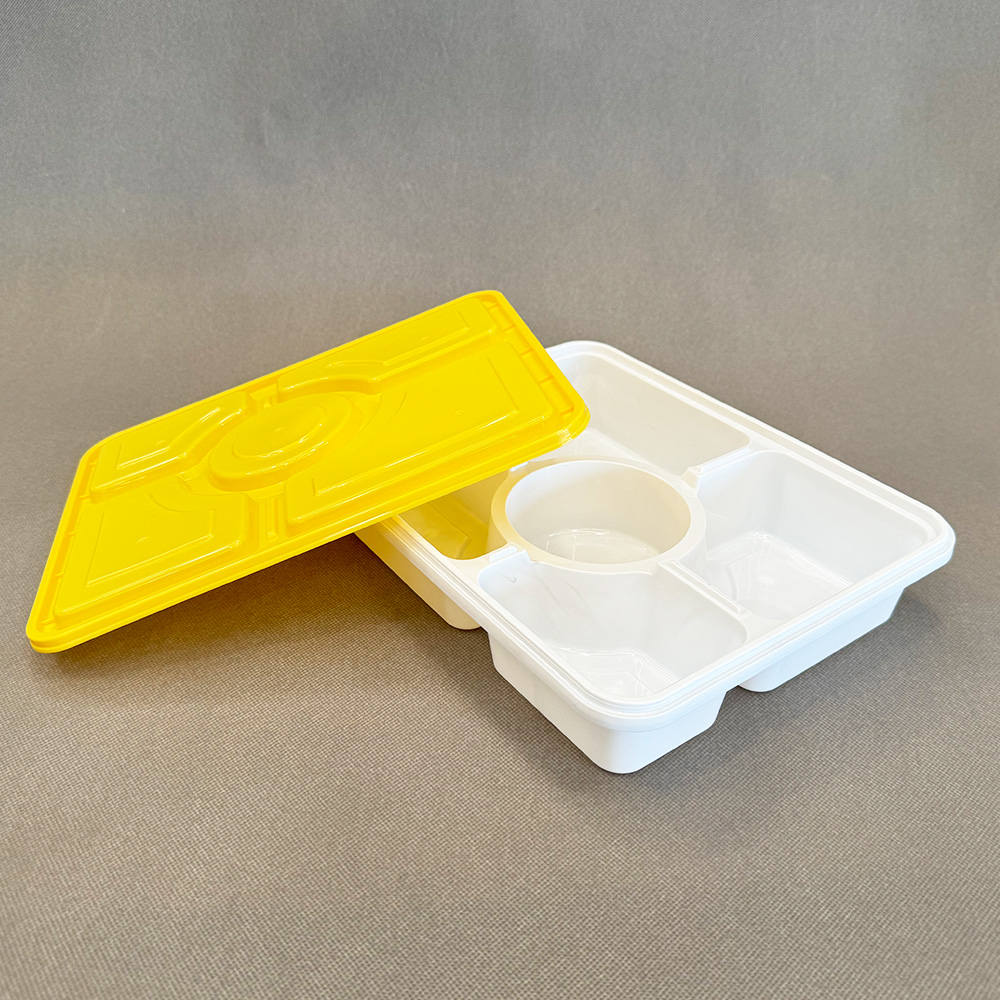
Neither material dominates plastic food packaging completely; optimal selection depends entirely on your specific food application, supply chain, and retail environment. For instance, PP (Polypropylene) trays excel in hot-fill, microwaveable, and lightweight logistics. Conversely, PET (Polyethylene Terephthalate) trays dominate retail displays, cold storage, and high-barrier protection systems. Industry leaders like HUISU QINYE (HSQY) manufacture high-grade PP containers alongside advanced PET thermoforming sheets to meet diverse global packaging demands. Selecting the right material requires analyzing key differences across core mechanical and thermal performance metrics.
Parameter | Polypropylene (PP) | Polyethylene Terephthalate (PET) |
|---|---|---|
Heat Resistance | High (Microwave & Hot-Fill Safe) | Low (Deforms >70°C unless CPET) |
Clarity | Translucent / Hazy | Crystal Clear (Glass-like) |
Stiffness / Rigidity | Moderate (Flexible & Impact Resistant) | High (Excellent for Stacking) |
Oxygen Barrier (OTR) | Low (Requires EVOH multi-layer for MAP) | Excellent (Ideal for Fresh Meat/Produce) |
Recyclability & PCR | Good (Growing #5 recycling streams) | High (Mature rPET closed-loop systems) |
Key Takeaways for Packaging Engineers
PP trays withstand high heat and are the mandatory choice for ready-to-eat microwave meals and hot-fill liquids.
PET trays offer crystal-clear visual clarity and superior oxygen barriers, driving impulse purchases for fresh food in retail stores.
CPET trays (Crystallized PET) bridge the gap, handling extreme temperature shocks from deep freezers (-40°C) directly into hot ovens (220°C).
PP plastic yields approximately 30% more containers per kilogram due to lower density, significantly lowering shipping weight and freight costs.
Head-to-Head Comparison: PP Trays vs PET Trays
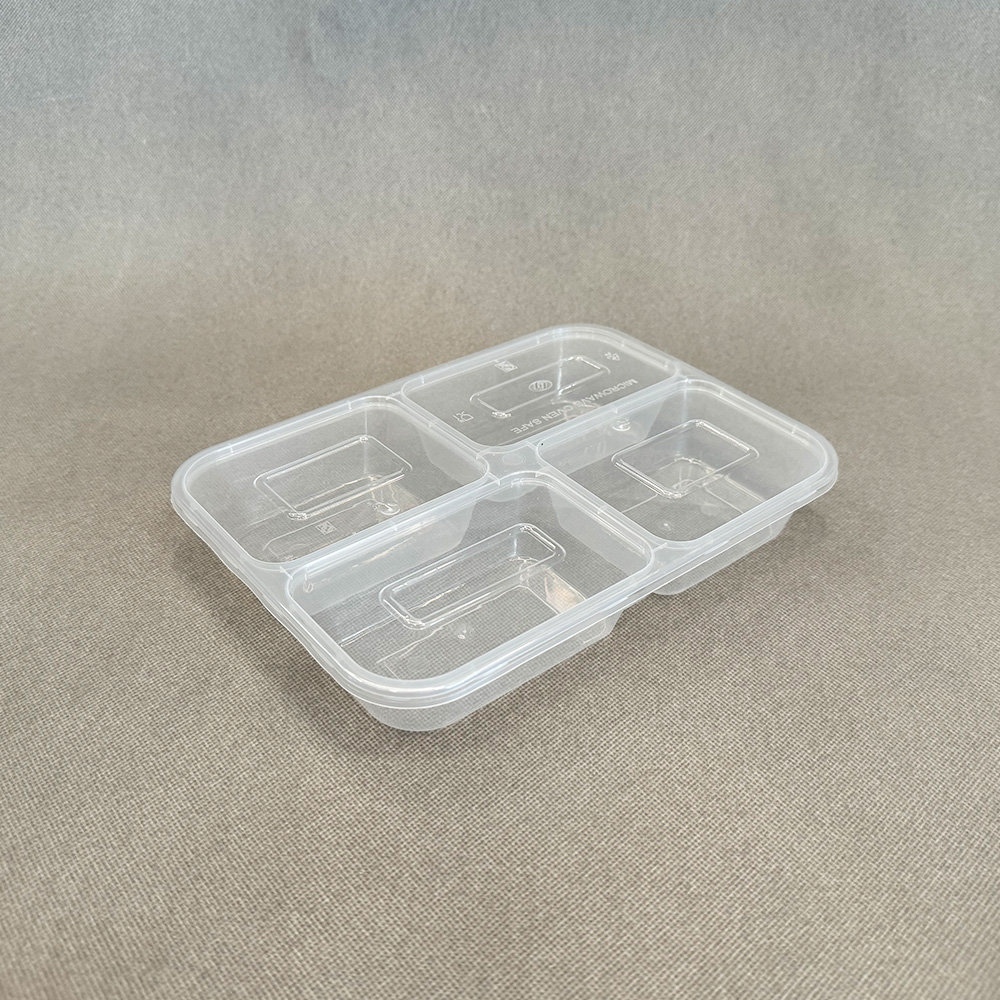
Packaging engineers evaluate structural properties to optimize automated line performance and reduce spoilage. Critical differences in resin density and mechanical strength directly impact your bottom line. HSQY operates specialized production facilities to manufacture certified PET, PETG, PP, and CPET thermoforming sheets, alongside custom containers and matching lidding films. All products meet stringent ISO 9001, ISO 14001, FDA, and SGS food safety standards.
Property | Polypropylene (PP) | Polyethylene Terephthalate (PET) |
|---|---|---|
Temperature Tolerance | Continuous use up to 120°C (248°F); microwave safe. | Standard APET deforms >70°C (158°F). CPET endures up to 220°C (428°F). |
Optical Transparency | Translucent (Limits premium retail display). | >90% light transmission; high gloss finish. |
Barrier Performance (OTR) | Poor inherent O2 barrier; requires EVOH co-extrusion for MAP. | 1.8–7.7 cm³/(m²·24h·atm); excellent for shelf-life extension. |
Density & Yield | ~0.90 g/cm³ (Higher yield per kg of resin). | ~1.38 g/cm³ (Heavier, but provides rigid structural response). |
Sealing Compatibility | Requires specialized PP-based or universal lidding films. | Seals easily with standard PET or PE-based lidding films. |
Overview of Polypropylene (PP) Packaging
Polypropylene provides an unmatched combination of low density and high thermal endurance. These thermal characteristics allow hot-fill processes and direct microwave heating without structural collapse. Commercial facilities heavily rely on microwave-safe PP food containers for ready-to-eat meals, dairy products, and hot deli items. Standard PP trays offer high fatigue endurance; their flexible container walls absorb mechanical impacts during transit, significantly reducing crack rates in demanding cold-chain and ambient supply chains.
Overview of Polyethylene Terephthalate (PET) Packaging
Polyethylene terephthalate delivers exceptional optical clarity for retail food visual displays. Amorphous PET (APET) forms crystal-clear structures that allow consumers to inspect food quality prior to purchase. Furthermore, PET provides an excellent inherent oxygen barrier. Facilities use PET plastic food containers for fresh meat, poultry, and premium bakery foods to prevent premature oxidation. Choosing rigid PET ensures transparent visual presentation while extending the operational shelf life of fresh proteins in cold showcase displays.
Optical Clarity, Barrier Properties, and MAP Integration
If you are utilizing Modified Atmosphere Packaging (MAP) to flush nitrogen or CO2 into your trays, material selection is critical. While PET naturally blocks ambient oxygen entry efficiently, standard PP requires multi-layer EVOH co-extrusion to achieve similar gas barrier results.
However, PP remains highly resistant to moisture migration. To see how advanced barrier technologies and precision thermoforming can impact your retail metrics, read our detailed case study on Extending Shelf-Life for a Major Supermarket Chain with Precision PP Trays. By pairing the right multi-layer tray with precision sealing machinery, food processors can drastically reduce in-store spoilage and retailer chargebacks.
Sustainability: Navigating rPET, PCR, and Global Compliance
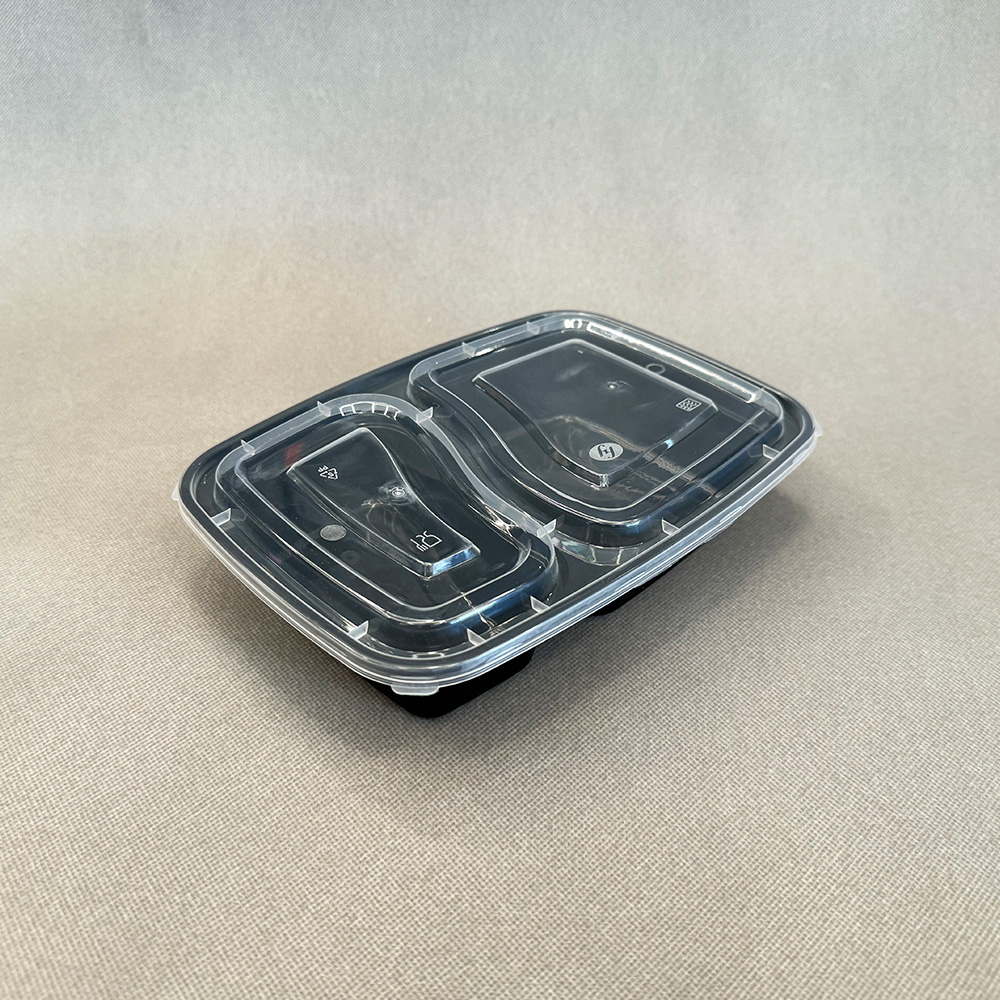
Environmental sustainability is no longer just a corporate goal; it is a strict legal requirement. With the EU and US implementing aggressive plastic taxes and mandating minimum Post-Consumer Recycled (PCR) content, your material choice directly impacts your tax liabilities.
PET boasts the world's most mature closed-loop recycling infrastructure. Modern recovery facilities easily convert collected bottles and thermoformed PET trays back into high-purity rPET sheet stock. Backed by over 15 years of manufacturing excellence, HSQY supplies certified food-grade rPET sheets with up to 80% PCR content, helping global brands comply with strict sustainability mandates while maintaining crystal-clear packaging aesthetics. Meanwhile, PP recycling (#5) streams are rapidly expanding globally, offering a lightweight alternative that reduces transport-related carbon emissions.
The Verdict: Eliminate Compatibility Headaches with One-Stop Sourcing
There is no universal "best" material—only the right material for your specific application. Choose PP trays if your priority is microwaveability, hot-fill capabilities, and lightweight shipping efficiency. Choose PET trays if you need crystal-clear retail visibility, superior oxygen barriers for fresh meat, or high rigidity for stacking.
The Industry Pitfall: A common mistake B2B buyers make is sourcing excellent trays from one vendor, but mismatched lidding films from another. This leads to micro-leaks, MAP gas flushing failures, and catastrophic food spoilage on the supermarket shelf.
HSQY eliminates this risk entirely with our One-Stop Packaging Solutions. We manufacture not only premium PP, PET, and CPET sheets and trays, but also the perfectly matched sealing films and thermoforming/sealing machinery required to run them. This guarantees 100% material compatibility, zero leakages, and maximum shelf-life extension on your production line.
Stay ahead of global packaging regulations and material innovations by exploring our latest insights on the HSQY Industry News & Blog.
Ready to Optimize Your Packaging Line?
Stop guessing which material and sealing film fits your product. Contact our packaging engineering team today for a Free Material Consultation and request our PP & PET Sample Kits to test on your own machinery.
Email: sale6@hgqyplastic.com
WhatsApp: +86-158-0611-5291
Frequently Asked Questions (FAQ)
Can PP containers handle high-heat applications?
Yes. Polypropylene resists thermal deformation during microwave heating and hot-fill processing up to 120°C (248°F). Its semi-crystalline structure protects food packaging integrity under extreme temperatures, making it the standard for ready-meals.
Which material provides better optical clarity for fresh food display?
PET delivers superior crystal-clear transparency. Its >90% light transmission allows consumers to view deli items, fresh meats, and bakery products directly on retail shelves, driving higher impulse purchase rates.
What temperature range can CPET packaging endure?
HSQY’s specialized CPET (Crystallized PET) packaging withstands extreme temperature ranges from -40°C to 220°C (-40°F to 428°F). This dual-ovenable property makes it the undisputed choice for airline catering and premium freezer-to-oven meal applications.
Are these materials compliant with international safety and environmental standards?
Yes. HSQY manufactures rigid plastic materials following strict global benchmarks. All food-contact products comply with FDA, ISO 9001, ISO 14001, and SGS regulations. Furthermore, we offer high-PCR (Post-Consumer Recycled) content options to help brands meet EU and US plastic tax regulations.
Stay Connected with HSQY


Recent News
-
1.PP food container safety keeps your meals worry-free
2026-06-16 -
2.PP vs PET Meat Trays where Choosing the Wrong Packaging Material Costs Your Business
2026-08-04 -
3.Why CPET Food Trays Are the Best Choice for High-Heat Packaging
2026-06-16 -
4.CPET food trays everyone loves for home and business
2026-07-14