



 Plastic Sheet


 Food Containers


 Sealing Film


 Food Packing Machinery
  One-Stop Solutions

What are CPET trays
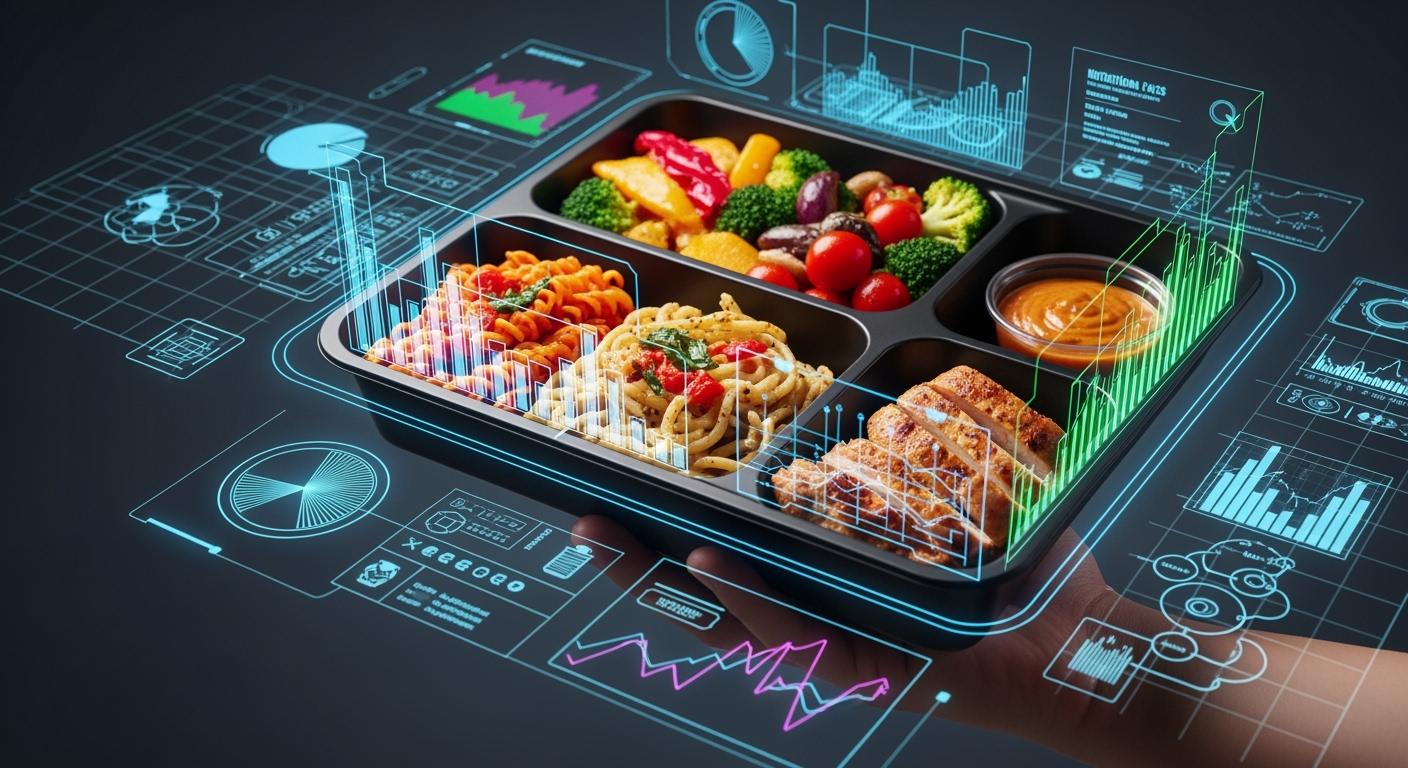
You often see CPET trays in containers for ready-to-eat meals and foods. These trays are made from crystallized polyethylene terephthalate. This material can handle high heat and lets people reheat food safely. The design allows you to use them in both microwaves and ovens. This makes them great for food packaging. CPET and MAP food packaging use these trays to keep food safe and fresh. You can find CPET trays in airplane meals, bakery items, and frozen food packages. Companies pick CPET because it resists heat and works in both ovens. The crystalline process makes CPET trays strong and steady. This helps keep food safe and supports sustainability.
Property | Description |
|---|---|
Primary Material | Crystallized Polyethylene Terephthalate (CPET) |
Heat Resistance | CPET can handle heat up to about 220 degrees Celsius without changing shape. |
Crystallization Process | Heating and slow cooling make a crystal structure that gives more strength and stability. |
CPET is becoming more popular in high-quality food containers for ready-to-eat meals, but polypropylene is still used the most.
CPET Trays Overview
Material and Structure
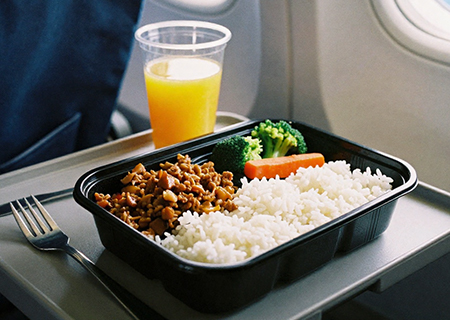
When you see CPET trays, they are made from crystallized polyethylene terephthalate. This material is special because it becomes strong and steady after a certain process. Manufacturers heat and cool the plastic in a careful way. This makes CPET able to handle hot and cold temperatures. You can put these trays in the freezer or right into the oven. The trays stay firm and do not bend, even when the temperature changes fast.
HSQY, a leading CPET tray manufacturer in China, specializes in producing high-quality crystallized polyethylene terephthalate trays. Whether you need custom sizes, logo embossing, or multi-compartment designs, our in-house tooling team delivers tailored solutions in just 7 days. Contact HSQY today for free samples and a customized quote!
Video: Inside HSQY's CPET Tray Manufacturing & Freezer-to-Oven Solutions
Property | CPET Characteristics |
|---|---|
Heat Resistance | Up to 200–220°C |
Freezer-to-Oven Compatibility | Yes |
Dimensional Stability | Strong under thermal shock |
Structural Rigidity | Good |
Suitable Applications | Airline catering, frozen meals, ovenable meal trays |
Key Properties
CPET has many features that make it good for food packaging. The trays do not smell, taste, or have color, and they are safe to use. They work in temperatures from -40°C to +220°C. This means you can freeze food and heat it up in the oven without problems. CPET trays work 58% better than regular PET when heated. These features help keep food safe and good to eat.
CPET is a type of PET that can handle higher heat.
You can use it for ready meals, airline food, and big kitchens.
The trays keep their shape and protect food during storage and heating.
Food Safety
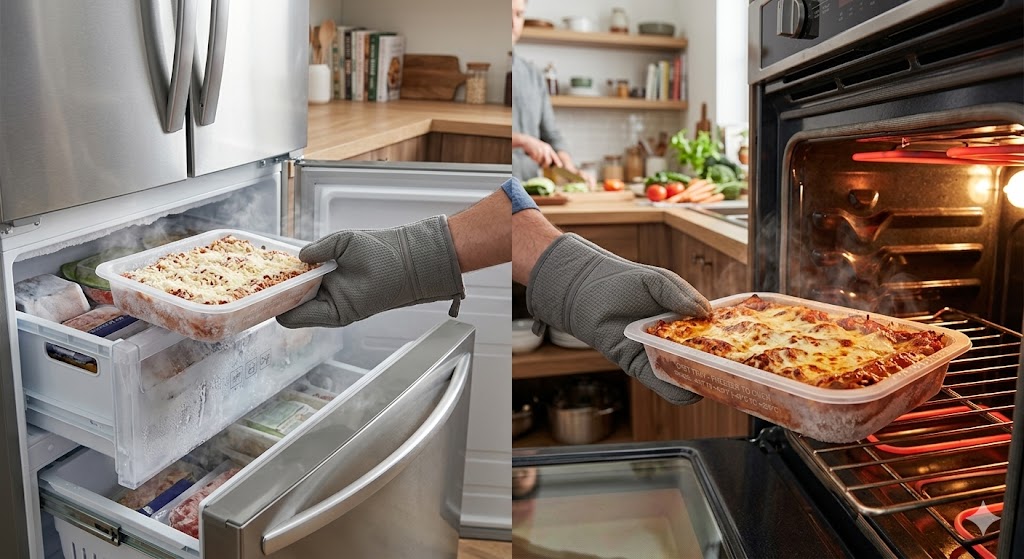
You want your food packaging to keep your meals safe. CPET trays follow strict food safety rules in the US and Europe. They meet FDA 21 CFR 177.1520 and EU Regulation 10/2011. Recent tests show CPET trays let out very little chemicals, even when hot. For example, in oven tests at 200°C, only 0.004 mg/kg came out, which is much less than the EU limit. This helps keep food safe and stops contamination. CPET trays also stay strong up to 220°F, which adds more safety for your food. When you pick CPET, you help keep food safe and people feel confident.
Note: In the last ten years, more people want CPET trays because companies care about food safety, easy use, and helping the planet. The trays can go from freezer to oven, so they are a top pick for new sight food packaging.
CPET and MAP Food Packaging
What is MAP
You may have seen the term MAP on food packaging. MAP stands for modified atmosphere packaging. This process changes the air inside a package to help keep food fresh. MAP uses a multilayer structure made from polymers and adhesives. This structure protects food and helps it last longer. You do not need a vacuum to use MAP. Many food producers choose MAP because it meets the demand for packaging without extra chemicals or preservatives.
MAP extends the shelf life of food products.
It reduces spoilage and keeps food quality high.
MAP works well for many types of food, including fresh salads, meats, and ready meals.
The multilayer structure in MAP packaging gives excellent protection.
You can see MAP used in many shelf-stable packaging solutions. It helps you enjoy food that stays fresh and safe for longer.
MAP Trays Compatibility
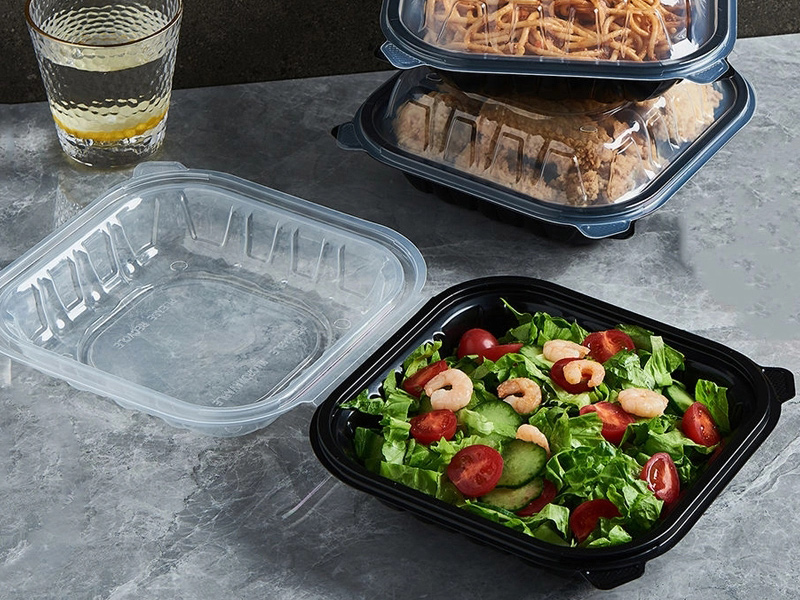
When you look at cpet and map food packaging, you see that CPET trays work very well with MAP. These trays give strong barriers against moisture, oxygen, oils, and grease. This helps keep food safe and fresh. The dual-layer structure in CPET trays stops dehydration and slows down the growth of germs. You get food that looks and tastes good for a longer time.
CPET trays keep out air and moisture better than many other materials.
The structure of these trays helps prevent leaks and keeps food from drying out.
MAP trays made from CPET are strong and do not bend or break easily.
You can trust HSQY cpet and map food packaging to protect your meals. The trays work with MAP to keep food safe from spoilage and contamination.
Shelf Life Benefits
You want your food to stay fresh as long as possible. Cpet and map food packaging gives you this benefit. CPET trays provide excellent barriers against moisture, oxygen, and light. This protection helps keep food fresh for longer periods. Studies show that CPET trays can extend the shelf life of products like fresh salads, deli meats, and frozen meals. These trays offer better protection than standard PET trays. They help prevent spoilage and keep food safe.
CPET trays help you enjoy food with an extended shelf life.
The trays keep food fresh and safe, even after many days.
Cpet and map food packaging supports shelf-stable packaging for many types of meals.
Tip: When you choose cpet and map food packaging, you help reduce food waste and enjoy meals that stay fresh longer.
You can see why many companies pick CPET trays for MAP trays. They give you the best mix of safety, freshness, and long-lasting quality.
Comparing Tray Materials in Food Packaging
PET and RPET Differences
You may see PET and RPET used in many food containers. PET stands for polyethylene terephthalate. This material is clear and lightweight. You often find PET in bottles and cold food trays. RPET means recycled PET. Manufacturers make RPET by reusing old PET packaging materials. RPET helps reduce waste and supports recycling. Both PET and RPET work well for cold food, but they do not handle high heat. If you need to heat your food, PET and RPET trays may lose their shape or leak. CPET, which is a crystallized form of PET, gives you better heat resistance. You can use CPET trays in the oven or microwave without worry.
Material | Heat Resistance | Recycled Content | Common Use |
|---|---|---|---|
PET | Low | No | Cold food packaging |
RPET | Low | Yes | Cold food containers |
CPET | High | Sometimes | Ovenable trays |
Polypropylene and Bioplastics
Polypropylene is another popular choice for food packaging materials. You see it in many trays and containers. Polypropylene resists heat better than PET, but it does not match the dual ovenability of CPET. Some food packaging uses bioplastics, which come from plants. Bioplastics help reduce the use of fossil fuels. However, they may not offer the same strength or barrier properties as CPET or PET. When you choose packaging materials, you must think about the type of food, the heating process, and the need for freshness.
Choosing the Right Tray
You want to pick the best tray for your food. CPET trays stand out when you need strong heat resistance and safe storage. They keep food fresh and safe during transport and reheating. PET and RPET work well for cold foods, but they do not perform in high-heat settings. Polypropylene gives you some heat resistance, but it may not protect your food as well as CPET. Bioplastics offer a greener option, but they may not last as long or keep food as fresh. When you select food containers, always match the tray to your food and packaging needs.
Tip: CPET trays give you the best mix of safety, durability, and performance for ready meals and heated food packaging.
Sustainability of CPET Trays
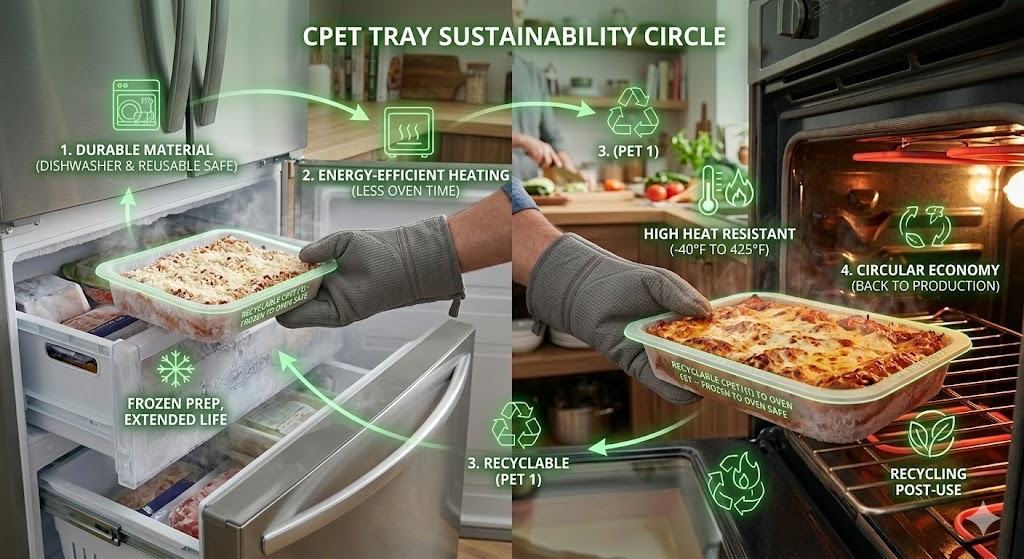
Recycled Content
Many companies now use recycled materials in CPET trays. This helps cut down on waste and supports the planet. Some trays have post-consumer recycled PET from old bottles and containers. When you pick trays with recycled content, you help the environment. These trays still have good quality and follow food safety rules. By choosing these products, you support green packaging.
Recyclability and Carbon Footprint
You want your packaging to be easy to recycle. CPET trays can be recycled, but black trays are sometimes a problem. Sorting machines cannot always see black trays, so they go to landfills. Companies are trying to fix this problem. New tray designs help machines spot and recycle black CPET trays. This makes recycling better and lowers the carbon footprint. When you recycle CPET trays, you cut greenhouse gases. You also save resources and help the earth.
Note: Recycling CPET trays saves energy and means less new plastic is needed. You help the planet when you recycle your packaging.
Industry Trends
Many companies and groups work together to make packaging greener. Marks & Spencer and Sainsbury’s started a test program for black CPET tray recycling. They work with WRAP, Faerch Plast, and Biffa Waste Management. These teams make new trays that sorting machines can find. These changes make recycling easier and work better. The industry wants more green packaging and better recycling. You now see more trays with recycled content and better recycling. You help the planet by picking packaging that keeps food safe and helps the earth.
Companies spend money on new recycling technology.
Groups work together to find green solutions.
You help by choosing eco-friendly packaging.
When you pick CPET trays, you get many good things. These trays keep food safe from water, air, and light. They follow tough safety rules and help food stay fresh longer. You can recycle CPET trays, so they are better for the planet. Recycling them cuts down on trash and helps reuse materials.
Feature | Benefit |
|---|---|
Heat Resistance | You can safely reheat food in ovens or microwaves |
Barrier Properties | Food stays fresh and lasts longer |
Recyclability | Less trash goes to landfills and less pollution |
By using CPET trays, you keep food safe and help the earth. This makes them a smart choice for today’s food packaging.
FAQ
Are CPET trays safe for microwave and oven use?
Yes, you can safely use CPET trays in both microwaves and conventional ovens. These trays withstand temperatures up to 220°C (428°F).
Tip: Always check the packaging for specific heating instructions.
Can you recycle CPET trays?
You can recycle most CPET trays. Some black trays may not get sorted correctly at recycling plants.
Choose clear or detectable trays to improve recycling rates in your area.
What makes CPET trays different from regular PET trays?
CPET trays have a crystallized structure. This gives them higher heat resistance and strength. Regular PET trays work best for cold foods.
Note: Use CPET for hot meals and PET for cold storage.
Do CPET trays affect the taste or smell of food?
No, CPET trays do not add any taste or smell to your food. They meet strict food safety standards in the US and Europe.
You get pure flavor and aroma with every meal.