



 Plastic Sheet


 Food Containers


 Sealing Film


 Food Packing Machinery
  One-Stop Solutions

Differences between CPET and PET in Thermoforming Applications
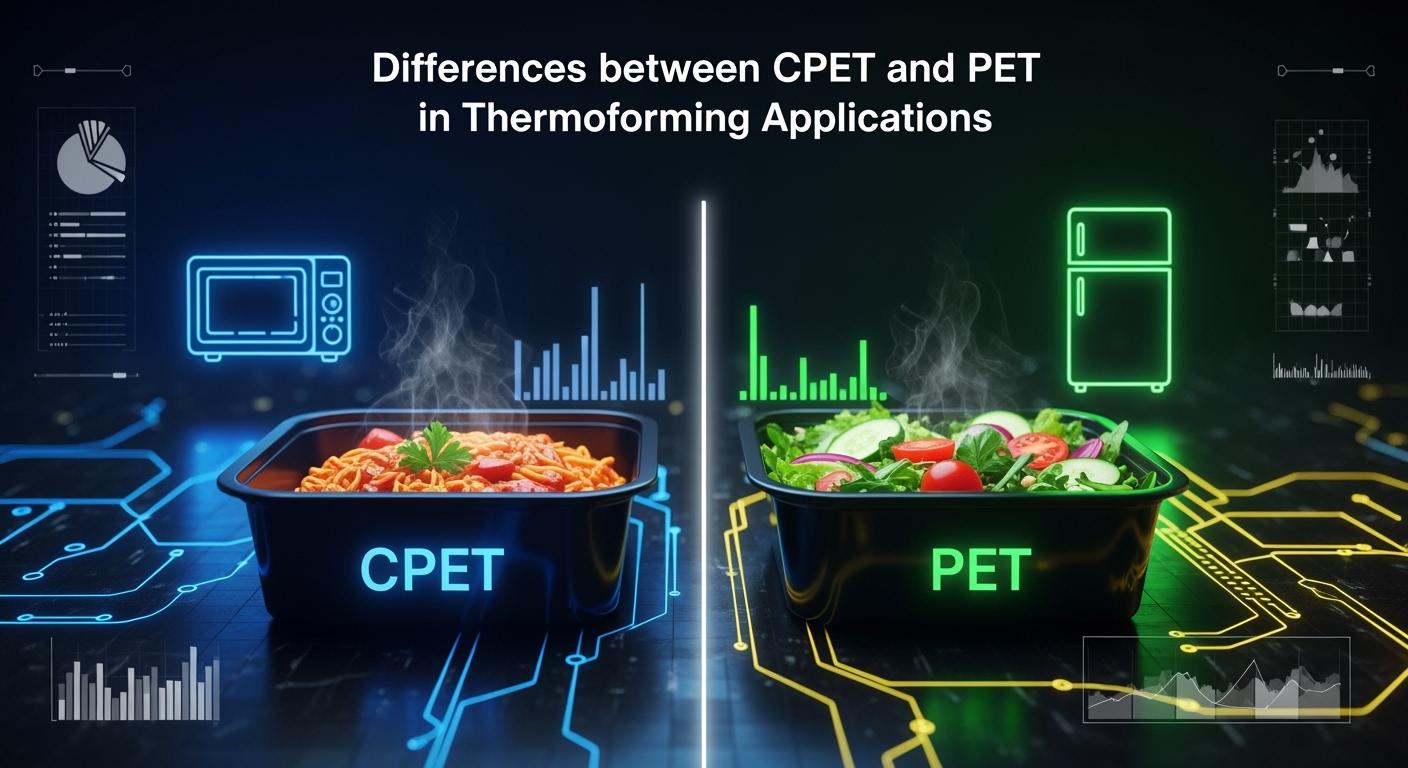
You have to pick between CPET and PET for thermoforming. CPET is good because it can handle heat and is strong. This makes it great for ovenable packaging and tough containers. PET is clear and costs less, so it works well for food packaging that needs to be see-through. The food and drink industry uses CPET the most, especially for ready-to-eat meals. Medicine packaging also uses more CPET each year. Look at the table below to see how they are different:
Property | CPET | PET |
|---|---|---|
Structure | Completely crystalline | Amorphous or semi-crystalline |
Clarity | Opaque | High clarity |
Heat Resistance | Up to 200°C | Up to 60-70°C |
Applications | Microwave trays, durable containers | Food packaging, clamshells |
Cost | Higher production cost | Generally more economical |
You get the best results when you match the material to your needs. Talking to a trusted CPET sheet supplier can help you make your containers work better.
As a trusted CPET sheet supplier, HSQY combines 15+ years of expertise with 12 factories and 40+ production lines to deliver consistent quality and reliable bulk supply. Our CPET sheets are engineered for the “freezer-to-oven” cycle, withstanding -40°C to 220°C while meeting FDA, EU, and ISO certifications. Beyond materials, we offer custom thicknesses, rapid 7-day mold tooling, and one-stop compatibility with our lidding films and sealing machines — ensuring your containers perform perfectly from production to end use. Contact HSQY today for free samples and expert consultation tailored to your project!
Material Overview
PET Definition
PET sheet is used in lots of packaging. PET means polyethylene terephthalate. It has an amorphous or semi-crystalline structure. PET sheet is clear and bends easily. Companies use PET sheet because it is light and see-through. You can find PET sheet in bottles and food containers. It is also in clamshell packaging. PET sheet lets you see what is inside. You can recycle PET sheet without much trouble. This makes PET sheet good for eco-friendly packaging.
CPET Definition
CPET stands for crystallized polyethylene terephthalate. CPET is used for packaging that needs to handle heat. The crystallization process changes how CPET is built. This makes CPET strong and stiff. CPET is used for packaging that must survive high heat. It is found in microwave trays and ovenable containers. CPET does not melt or change shape when heated. You see CPET in ready-to-eat meal packaging and medical trays. CPET is usually not clear, so you cannot see the product inside as well as with PET sheet.
Material Differences
You should know how PET sheet and CPET are not the same before picking packaging. Their main differences are in how they are made and how they work.
Property | PET Sheet | CPET |
|---|---|---|
Molecular Structure | Amorphous | Crystallized |
Heat Resistance | Up to 60-70°C | Up to 220°C |
Durability | Flexible | Rigid and durable |
Transparency | Clear and transparent | Opaque or semi-opaque |
Applications | Bottles, containers | Microwave-safe food packaging |
Recyclability | Widely accepted | More complex recycling process |
PET sheet is clear and bends easily. It is used for packaging where you need to see inside.
CPET is strong and can handle heat. It is chosen for packaging that needs to be reheated.
PET sheet is simple to recycle. CPET is harder to recycle.
PET sheet is picked for bottles and light containers. CPET is picked for microwave-safe packaging.
Tip: If you need packaging for hot foods or reheating, CPET works better. If you want clear packaging for cold products, PET sheet is a good choice.
Thermoforming Performance
Heat Resistance
When picking packaging for hot or cold foods, think about heat resistance. CPET can handle much higher heat than PET. You can use CPET trays in ovens and microwaves. They will not melt or bend. Most CPET trays stay strong up to 200-230°C. PET starts to get soft at about 60-70°C. This makes PET better for cold or room-temperature foods.
Here is a quick comparison:
Material | Heat Resistance |
|---|---|
CPET | Up to 200-230°C |
PET | About 60-70°C |
If your packaging needs to handle big temperature changes, CPET is best. You can trust CPET for meals that go from freezer to oven. PET cannot handle this and will lose its shape.
Tip: Always match the heat resistance of your packaging to how your customers use it. For trays that go in ovens or microwaves, CPET is safer.
Formability
You want your packaging to look nice and work well. Formability means how easy it is to shape a material. PET shapes easily at lower temperatures. You get smooth, clear shapes with little effort. CPET needs careful control when forming. You must use higher heat and the right pressure to keep it strong and heat-resistant.
You need to watch the temperature closely when forming CPET. This keeps its strength and heat resistance.
You must use the right pressure to stop defects in both PET and CPET trays.
PET lets you make detailed shapes quickly. CPET takes more time and skill but gives you a tougher tray.
If you want fast production and simple shapes, PET works well. If you need trays that hold up under heat, pick CPET, even though it needs extra steps.
Transparency
You may want customers to see the food inside the package. PET gives you great clarity and looks like glass. This makes PET popular for salad containers and bakery boxes. CPET looks opaque or semi-opaque because of its structure. You cannot see through CPET trays as easily.
Material | Transparency | Characteristics |
|---|---|---|
PET | High | Great clarity, glass-like look |
CPET | Low | Opaque or semi-opaque, dull surface |
If you need packaging that shows your product, PET is best. If you need packaging that handles high heat, use CPET, even though it is not clear.
Note: You cannot get both high heat resistance and high clarity in one material. You must choose which feature is most important for your use.
End-Use Properties
Durability
You want your packaging to stay strong during use. CPET trays show high durability in tough conditions. You can use these containers for meals that go from freezer to oven. They keep their shape and strength even after heating. Standard tests show that CPET trays keep 94% of their size after 30 minutes in a 200°C oven. They lose less than 1% of their weight, so they meet food-grade standards. If you place them near broiler elements, the structure drops by 22%. PET containers work well for cold and room-temperature foods. They bend easily and do not handle high heat. You should pick CPET for packaging that needs to survive big temperature changes.
CPET trays keep their shape in high heat.
PET containers bend and lose strength when heated.
CPET works best for freezer to oven meals.
Appearance
You want your packaging to look good and attract buyers. PET gives you clear containers that show the food inside. This helps customers see freshness and quality. CPET trays look opaque or dull. You cannot see the food through them. If you need packaging for freezer to oven meals, you must use CPET even though it is not clear. For bakery boxes or salad containers, PET works better because it looks like glass.
Tip: Choose PET for clear packaging. Use CPET for tough, heat-resistant containers.
Recyclability
You care about the environment and want to recycle your packaging. PET has a strong recycling stream. Most PET containers get recycled, especially bottles. CPET recycling is harder. There is not much data on CPET recycling rates. You see more PET in recycling bins than CPET.
Material | Recyclability Rate | Notes |
|---|---|---|
PET | 29% (US) | Strong recycling stream for bottles |
37.8% (North America) | High volume of clear PET used | |
CPET | N/A | Limited data available |
You should use PET if you want easy recycling. CPET works best for freezer to oven packaging but is harder to recycle.
Applications
PET Uses
You see PET in lots of packaging. Companies pick PET for food because it keeps food fresh. PET lets you see what is inside the package. You find PET in clamshells, trays, and lidding. These containers seal tight and help food last longer. PET is also used for medicine packaging. Blister packs and cavity trays keep medicine safe from moisture and light. Cosmetic companies use PET for cream and lotion containers. These containers look nice and show the product inside. PET gives clear packaging that stands out in stores.
Common PET applications:
Food packaging like clamshells, trays, and lidding
Medicine packaging such as blister packs and cavity trays
Cosmetic containers for creams and lotions
CPET Uses
CPET is used for packaging that needs to handle heat. You use CPET trays for frozen meals that go from freezer to oven. These containers keep their shape and protect food when reheated. CPET tray designs fit ready-to-eat meals and medical packaging. You see CPET in oven-safe dishes and microwave trays. CPET trays help serve meals that need high heat. CPET packaging gives strength and lasts in tough conditions. You rely on CPET for containers that survive big temperature changes.
CPET applications include:
Frozen meals in CPET trays
Ready-to-eat meals in CPET containers
Oven-safe dishes for reheating
Medical trays needing heat resistance
Application Suitability
You must pick packaging that fits your needs. CPET works best for meals that go from freezer to oven. You choose CPET trays when you need strong and stiff containers. PET is good for food packaging that needs to be clear and light. You pick PET for products that must look nice and stay cool. CPET gives strength and handles heat, while PET offers clear packaging and easy recycling.
Requirement | Best Material | Reason |
|---|---|---|
High heat resistance | CPET | Handles oven and microwave temperatures |
Product visibility | PET | Clear packaging for retail display |
Durability | CPET | Rigid containers for tough use |
Easy recycling | PET | Strong recycling stream |
Tip: Always pick packaging based on how customers use the product. CPET trays work for frozen meals and oven-safe dishes. PET containers fit food packaging that needs to look clear and nice.
Pros and Cons
PET Advantages
When you pick PET, you get many good things. PET is great for making lots of packages at a low price. You save money if you order a lot. PET makes clear containers, so people can see what is inside. This helps you sell more in stores. PET is also good for the environment because it is easy to recycle. Many recycling centers take PET, so you help cut down on waste.
PET is cheap for big orders.
PET lets people see the product inside.
PET is easy to recycle and helps the planet.
Tip: PET is a good pick if you want clear and cheap packaging.
PET Disadvantages
PET has some problems when you use it for packaging. It is hard to seal PET with high-frequency heat. This makes the process tricky. PET costs more than PVC sheets. PET melts at a high temperature, so it is harder to shape. You need special tools to form PET into packages.
Disadvantage | Description |
|---|---|
Hard to seal with high-frequency heat | PET is tough to seal with high-frequency heat, so making packages is harder. |
Costs more than PVC | PET is usually pricier than PVC sheets, which can be a problem for some uses. |
High melting point | PET melts at a high temperature, so it is harder to heat and shape into packages. |
CPET Advantages
CPET is strong and works well for hot food packaging. You use CPET trays for meals that go from freezer to oven. CPET stays stiff and does not melt when it gets hot. You can count on CPET for tough and strong packaging. CPET is good for medical trays and ready-to-eat meals. You get the same strong results every time you need a tough tray.
CPET can handle high heat for oven and microwave use.
CPET gives you strong and stiff trays.
CPET is good for hard jobs like medical and meal trays.
Note: CPET is best for packaging that faces big changes in temperature.
CPET Disadvantages
CPET has some downsides when you use it for packaging. Making CPET trays leaves extra plastic after cutting, but you can recycle this. CPET cannot make very small or detailed shapes. You must watch the temperature closely, or the tray thickness will not be even. CPET trays cost more to make than other types.
Making CPET trays leaves extra plastic.
CPET cannot make tiny or detailed shapes.
You must control the temperature to keep trays even.
CPET trays cost more to make.
Tip: Think about the good and bad points before picking CPET for your packaging.
Material Selection
Choosing a CPET Sheet Supplier
You need to pick a good cpet sheet supplier for your project. The supplier you choose affects how safe and strong your packaging is. Find a cpet sheet supplier who knows both cpet and PET materials well. The best suppliers work closely with raw material providers. This helps them make trays that fit your design and stay the same every time.
Check if the cpet sheet supplier uses new machines and smart ways to make products. Modern equipment helps your trays meet strict rules. Ask about their design and engineering teams. Teams with lots of experience can fix problems fast and stop delays.
You should check how much the supplier can make. Some projects need just a few samples, others need many trays. A good cpet sheet supplier also offers trimming and assembly. Make sure the supplier follows rules like ISO and RoHS. These certifications show their products are safe and high quality.
Factor | What to Look For |
|---|---|
Material Expertise | Supplier specializes in cpet and PET; strong raw material relationships |
Manufacturing Capabilities | Advanced machinery; optimized production methods |
Design and Engineering Team | Experienced with similar projects; problem-solving skills |
Production Capacity & Services | Handles prototypes and bulk orders; offers trimming and assembly |
Standards and Certifications | ISO, RoHS, and other relevant certifications |
Pricing | Transparent pricing; best value for your project |
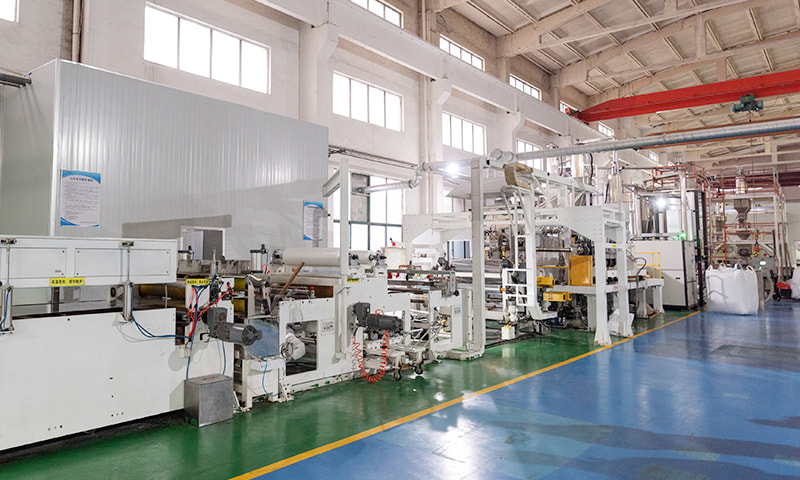
Video: Inside HSQY's Advanced Extrusion Lines – The Foundation of Our Premium CPET & PET Sheets
Tip: Always ask your cpet sheet supplier about their certifications and how much they can make before you start.
Cost Factors
You need to think about cost when picking between cpet and PET. Cpet trays cost more because they need extra steps to make. The crystallization process takes more time and money. PET containers are cheaper, especially if you order a lot.
When you compare suppliers, look at the total price. This includes materials, making the trays, and extra services like trimming or assembly. Some cpet sheet suppliers offer deals that save money over time. Ask for detailed quotes so you know where your money goes.
Think about what you get for the price. Sometimes paying more means you get stronger, safer, or heat-resistant trays. If your packaging needs to handle high heat, cpet is worth the extra cost. For clear and light containers, PET is a better choice.
Note: Pick a cpet sheet supplier who explains their prices clearly and helps you balance cost and performance.
Safety and Regulations
You must follow strict safety rules when using cpet or PET for food packaging. Both materials meet standards set by groups like the FDA and EU. These rules keep people safe and make sure your packaging is good for food.
Material | Regulatory Body | Safety Standards |
|---|---|---|
CPET | FDA, EU | Certified for food contact; free from harmful substances like BPA and CFCs |
PET | FDA | Regulated under Title 21 of the Code of Federal Regulations; strict limits on chemical migration |
Cpet trays need extra tests because they handle high heat. Using trays in microwaves and ovens can cause chemicals to move. You must check thickness and additives to keep your packaging safe. PET containers follow strict rules about what they are made of and how chemicals move. Recycled PET (rPET) must meet food-grade recycling rules and traceability.
Tip: Always ask your cpet sheet supplier if they follow FDA and EU rules. Make sure your packaging passes tests for heat and chemical movement.
You protect your customers and your brand by picking a supplier who follows safety rules. Good cpet sheet suppliers help you meet all standards and give you papers for your records.
You need to pick the best material for your packaging. CPET and PET are not the same. Look at the table below to see how they compare:
Attribute | CPET | PET |
|---|---|---|
Material Structure | Fully crystalline | Amorphous or semi-crystalline |
Heat Resistance | Up to 200°C | Moderate heat resistance |
Applications | Heat-resistant food trays | Transparent packaging |
Flexibility | Hard and strong | More flexible |
Recyclability | Needs separate processing | Needs separate processing |
Cost Consideration | Generally higher | More economical |
Choose CPET if you need trays for hot foods. Pick PET if you want clear and bendy packaging. Make sure your packaging fits your product, your budget, and your supplier’s skills.
FAQ
What is the main difference between CPET and PET?
CPET can handle high heat. PET is very clear. CPET is used for trays that go in ovens. PET is used for see-through packaging.
CPET | PET |
|---|---|
Heat-resistant | Transparent |
Can you recycle CPET and PET trays?
PET trays are easy to recycle. Most recycling centers take PET trays. CPET trays need special recycling steps.
Tip: Always check your local rules before throwing trays away.
Which material should you choose for microwave-safe packaging?
Pick CPET if you need microwave-safe trays. CPET does not melt in the microwave. PET will melt or bend if heated in a microwave.
Is PET safe for food contact?
PET is safe for food packaging. It follows FDA safety rules. You can use PET for food without worry.
How do you select a reliable CPET sheet supplier?
Find suppliers with ISO and RoHS certifications. Ask if they can make enough trays for you.
Make sure their prices are clear
See if they have worked with CPET before
HSQY meets both criteria with ISO 9001, FDA, and EU 10/2011 certifications, and operates 12 factories with 40+ production lines to ensure stable capacity for orders of any size. As a trusted CPET sheet supplier, we combine certified quality with reliable bulk supply. Contact HSQY today for free samples and a tailored quote!