



 Plastic Sheet


 Food Containers


 Sealing Film


 Food Packing Machinery
  One-Stop Solutions

Essential Tips for Picking the Perfect PVC Sheet
You walk into a store and see rows of PVC sheet choices. You wonder which one fits your project. Maybe you need something strong or something with a smooth finish. Picking the right sheet matters. Different options suit different needs, so your choice can make or break your results.
Tip: Always check the sheet’s features before buying.
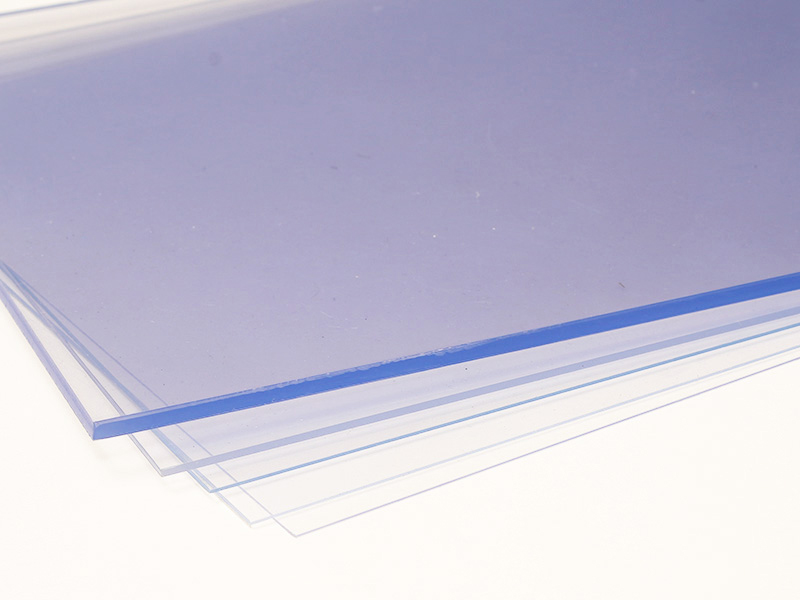
Choosing the Right PVC Sheet
Identify Project Needs
Start by asking yourself what you want to achieve. Do you need a surface for a craft project? Are you building a partition wall? Maybe you want something for outdoor signage. Each project has its own demands. Write down your main goal. This step helps you avoid confusion later.
You can also make a quick checklist:
What is the main purpose of your project?
Will the sheet face heavy use or just light handling?
Do you need a certain look or color?
When you know your needs, you can narrow your choices. You will not waste time looking at options that do not fit.
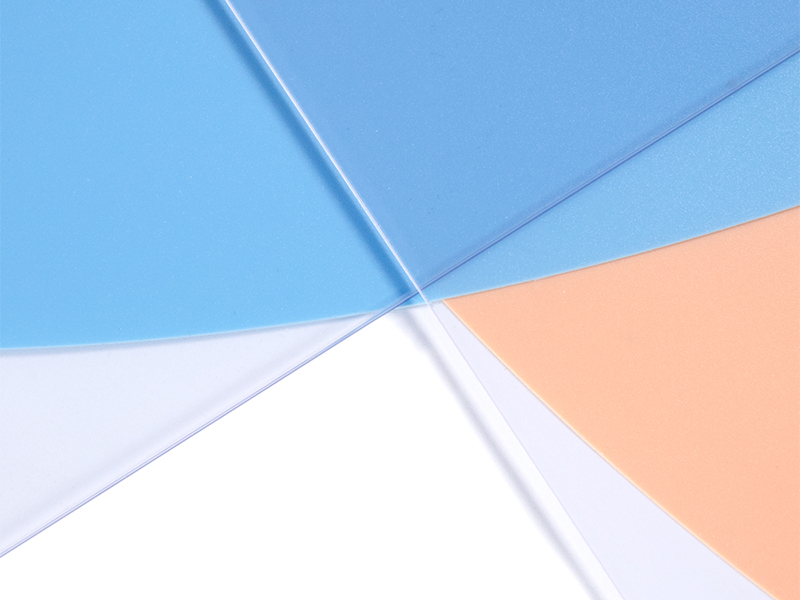
Match Application Requirements
Now, think about the details. Every project has special requirements. For example, a display case needs a clear and smooth finish. A workshop divider needs strength and thickness. If you use the wrong PVC sheet, you might see cracks or warping.
Tip: Thicker sheets (4-5mm) work well for partitions. Thinner sheets (2-3mm) suit crafts and light covers.
Look at these factors:
Thickness: Thicker sheets give more strength. Thinner sheets are easier to cut.
Finish: Glossy finishes look good for displays. Matte finishes hide scratches.
Strength: Some projects need extra tough material. Others do not.
Match each property to your project. This step saves you from mistakes and extra costs.
Consider Environment and Use
Where will you use the PVC sheet? Indoors or outdoors? Will it face sunlight, water, or chemicals? These questions matter. Outdoor use needs UV resistance. Wet areas need waterproof sheets. Chemical labs need sheets that resist spills.
Here is a simple table to help you decide:
Environment | Best Feature Needed |
|---|---|
Outdoor | UV resistance |
Kitchen/Bathroom | Waterproof |
Workshop | High impact strength |
Lab | Chemical resistance |
If you match the sheet to the environment, you get better results and longer life. You will not have to replace the sheet too soon.
Note: Always ask your supplier if you are not sure about the best type for your space.
By following these steps, you make sure your PVC sheet fits your project, your needs, and your space.
PVC Sheet Basics
What Is a PVC Sheet?
You might wonder what a PVC sheet is. It is a flat panel made from polyvinyl chloride, a type of plastic. You can find it in many sizes and thicknesses. People like it because it is strong, lightweight, and easy to cut. You can use simple tools to shape it for your project. If you need something that lasts and does not rust, this material works well.
Common Uses
You see PVC sheets in lots of places. Here are some common uses:
Wall panels in bathrooms and kitchens
Signs for stores or events
Craft projects and school displays
Table covers or protective surfaces
Partitions in offices or workshops
Tip: If you want a material that is easy to clean, a PVC sheet is a smart choice.
Color and Texture Options
You do not have to stick with plain white. PVC sheets come in many colors. You can pick blue, red, green, or even clear. Some sheets have a glossy finish that shines. Others have a matte look that hides fingerprints. You can also find textured sheets that feel rough or smooth. This variety helps you match your style or project needs.
Finish Type | Best For |
|---|---|
Glossy | Displays, signs |
Matte | Walls, partitions |
Textured | Crafts, grip surfaces |
You get lots of choices, so you can find the right look for your project.
PVC Sheet Selection Factors
Thickness and Strength
You want your project to last. Thickness plays a big role in how strong your sheet will be. If you’re making crafts or light covers, you can use sheets that are 2-3mm thick. These are easy to cut and handle. For partitions or surfaces that need to stand up to bumps, go for 4-5mm thickness. Thicker sheets give you more durability and support.
Here’s a quick guide:
Project Type | Recommended Thickness |
|---|---|
Crafts | 2-3mm |
Partitions | 4-5mm |
Protective Covers | 3-4mm |
Signage | 2-3mm |
Tip: If you’re not sure, ask for a sample. You can test the sheet’s strength before you buy.
Material Formulation
Not all sheets are made the same way. Some have extra additives that make them tougher or more flexible. You might see sheets labeled as “impact-resistant” or “UV-stabilized.” These features come from the material formulation. If you need a sheet for outdoor use, look for UV protection. If you want something bendy, choose a flexible formula.
You can ask your supplier about the formulation. They can help you pick a sheet that matches your needs. Don’t settle for a basic sheet if your project needs something special.
Video: Inside HSQY's Advanced PVC Sheet & Foam Board Extrusion Line
Chemical Compatibility
Will your sheet face chemicals, cleaners, or spills? You need to check chemical compatibility. Some sheets can handle acids, oils, or cleaning products. Others might break down or stain. If you’re using the sheet in a lab or kitchen, ask about chemical resistance.
Here’s a simple checklist:
Will the sheet touch chemicals or cleaners?
Do you need resistance to acids or oils?
Is the sheet for a lab or industrial space?
Note: Chemical compatibility keeps your sheet safe and strong. You won’t have to replace it often.
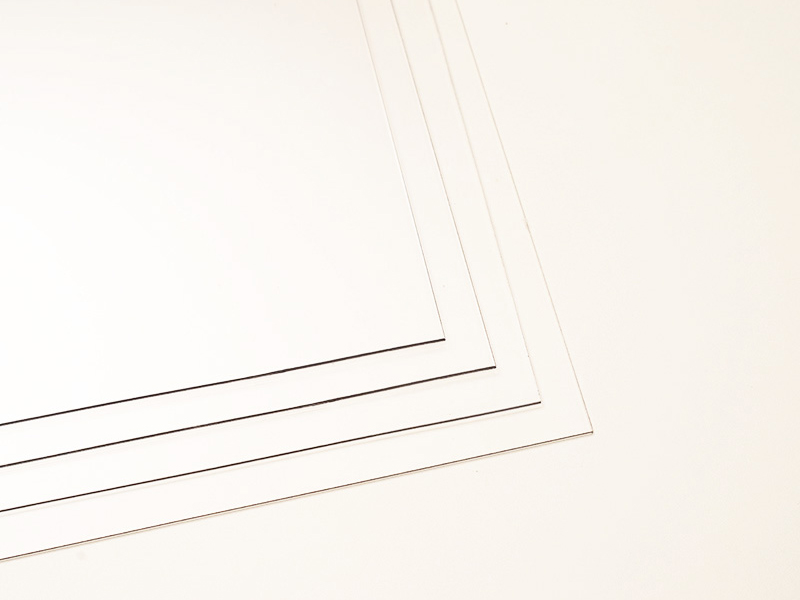
Mechanical Properties
Mechanical properties tell you how the sheet reacts to force, bending, or impact. If your project needs a sheet that won’t crack or snap, check the mechanical ratings. Look for sheets with high impact strength or good flexibility. You can find this info on product labels or datasheets.
Some sheets bend easily. Others stay rigid. If you need a sheet for a moving part or a surface that gets bumped, pick one with high toughness. You can ask for test results or ratings from your supplier.
Cost vs. Performance
You want the best value for your money. Sometimes, cheaper sheets work fine for simple projects. If you need long-lasting performance, you might pay more. Compare the cost to the features you get. Don’t just look at price—think about how well the sheet will do the job.
Here’s a quick list to help you decide:
Does the sheet fit your budget?
Will it last as long as you need?
Are you paying extra for features you won’t use?
Tip: Balance cost and performance. You can save money and still get a sheet that works for your project.
When you look at these factors, you make smarter choices. You get a PVC sheet that fits your needs and lasts longer.
PVC Sheet Types
Rigid vs. Flexible
You might wonder which type fits your project best. Rigid sheets stay firm and hold their shape. You can use them for walls, partitions, or signs. Flexible sheets bend easily. You can roll them up or cut them for crafts and covers. If you need something that stands up straight, pick rigid. If you want a sheet that wraps around objects, go with flexible.
Here’s a quick comparison:
Type | Best Use | Key Feature |
|---|---|---|
Rigid | Walls, partitions | Stays firm |
Flexible | Covers, crafts | Bends easily |
Tip: Test a small piece before you buy. You can feel the difference right away.
Specialty Finishes
You don’t have to settle for plain sheets. Specialty finishes give you more options. Some sheets have a glossy surface that shines in the light. Others have a matte finish that hides marks. You can find textured sheets with bumps or patterns. These work well for grip or style.
Check out these finish types:
Glossy: Great for displays and signs.
Matte: Good for walls and partitions.
Textured: Perfect for crafts or surfaces that need grip.
If you want your project to stand out, try a specialty finish. You can ask your supplier for samples or see pictures online. Specialty finishes help you match your style and needs.
PVC Sheet vs. Other Materials
PVC vs. Acrylic
You might wonder if acrylic works better for your project. Acrylic looks clear like glass and feels smooth. It shines under light and gives a fancy look. You can use it for display cases or signs that need to stand out. Acrylic scratches more easily than other plastics. It can also crack if you drop it. If you want something strong and easy to cut, you may like PVC more. Acrylic costs a bit more, so keep that in mind.
Feature | PVC | Acrylic |
|---|---|---|
Clarity | Opaque/Clear | Very clear |
Strength | Good | Moderate |
Cost | Lower | Higher |
Flexibility | Flexible | Rigid |
PVC vs. Polycarbonate
Polycarbonate stands out for its toughness. You see it in safety shields and machine guards. It resists impact much better than most plastics. Polycarbonate also handles heat well. If you need a sheet for a place with lots of bumps or heat, polycarbonate works great. It costs more than PVC. You may find it harder to cut at home.
Tip: Choose polycarbonate for safety, but pick PVC for easy projects and lower cost.
Pros and Cons
Let’s break it down:
PVC: Easy to cut, budget-friendly, good for many uses.
Acrylic: Looks great, very clear, but scratches and cracks.
Polycarbonate: Super strong, heat-resistant, but pricey.
You can pick the right material by thinking about what matters most for your project. Do you want something clear? Do you need strength? Or do you want to save money? Your answer will help you decide.
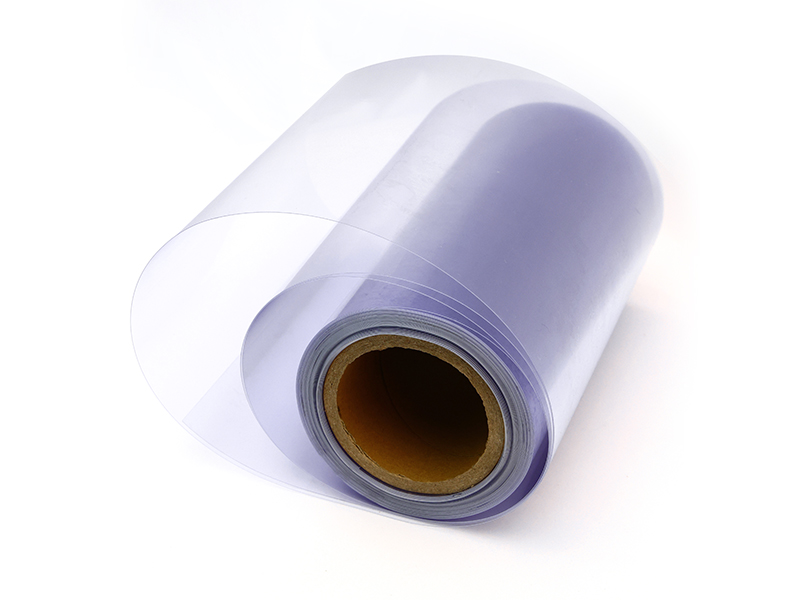
Decision Checklist
Match Sheet to Project
You want your project to turn out right. Start by matching the sheet to your project’s needs. Think about what you want the sheet to do. Do you need something strong for a wall? Maybe you want a flexible cover for a craft. Write down your main goal. This step helps you stay focused.
Here’s a quick checklist to guide you:
What is the main use for the sheet?
Will it face sunlight, water, or chemicals?
Do you need a special color or finish?
How thick does the sheet need to be?
Should it be rigid or flexible?
Tip: If you answer these questions, you will find the best fit for your project.
Quick Selection Guide
You might feel lost with so many choices. Use this simple table to help you pick fast:
Project Type | Best Sheet Type | Finish | Thickness |
|---|---|---|---|
Crafts | Flexible | Matte | 2-3mm |
Partitions | Rigid | Matte | 4-5mm |
Signs | Rigid | Glossy | 2-3mm |
Covers | Flexible | Textured | 3-4mm |
If you still feel unsure, ask your supplier for advice or a sample. You can test a small piece before you buy a full sheet. This way, you avoid mistakes and save money.
Note: The right PVC sheet makes your project easier and helps it last longer.
You now have the tools to pick the perfect PVC sheet. Use the checklist and tables to guide your choice. Think about your project, environment, and budget.
Have questions or need advice? Drop a comment below!
Smart choices today help your project last longer and look great.
Stay Connected with HSQY
Recommended Products


Recent News
-
1.How HSQY’s Rigid Clear PVC Sheet Rolls Serve Both Pharma Blister Packs & Retail Folding Boxes
2026-04-10 -
2.HSQY Hits 50M Monthly Containers, 7-Day Custom Molds
2026-04-07 -
3.5 Important Points to Consider When Selecting a Plastic Sheet Supplier
2026-03-25 -
4.Essential Tips for Picking the Perfect PVC Sheet
2026-05-09