



 Plastic Sheet


 Food Containers


 Sealing Film


 Food Packing Machinery
  One-Stop Solutions

Beyond the Surface: Exploring the Untold Secrets of PVC, the Undisputed ‘King of Plastics’.
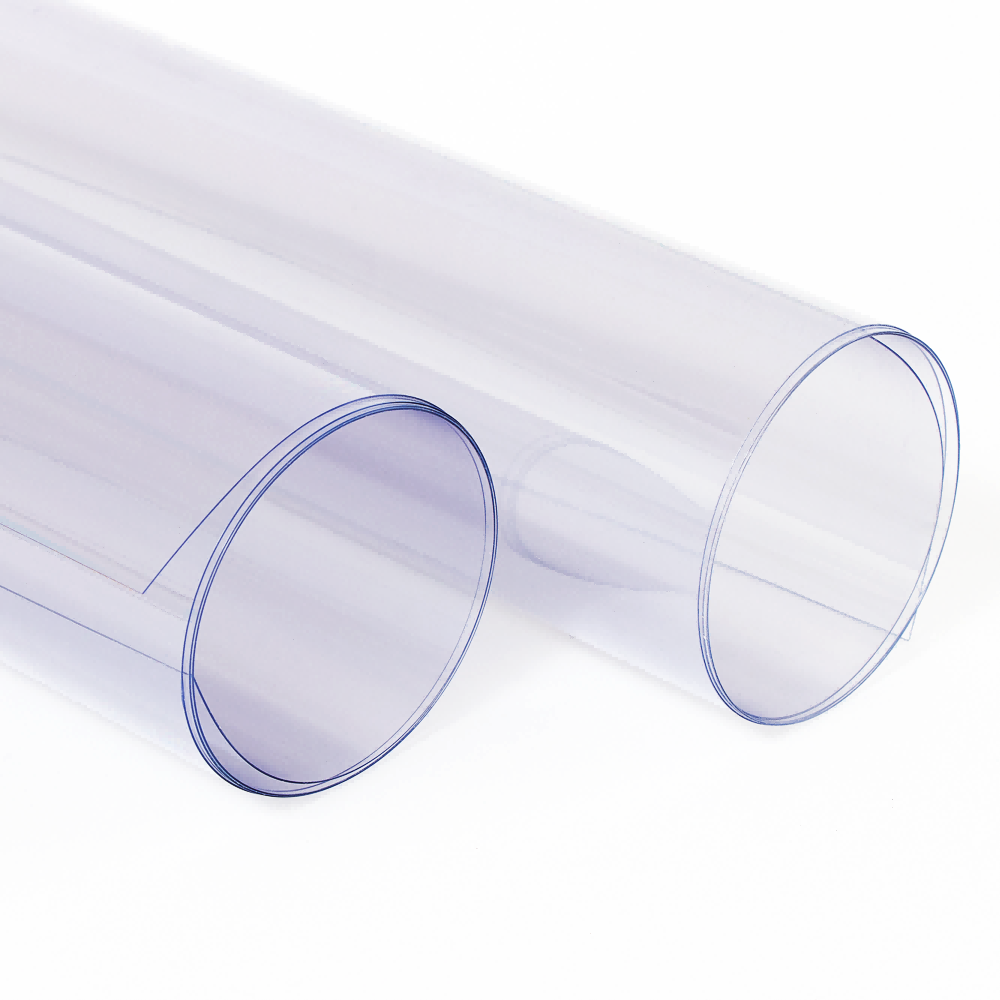
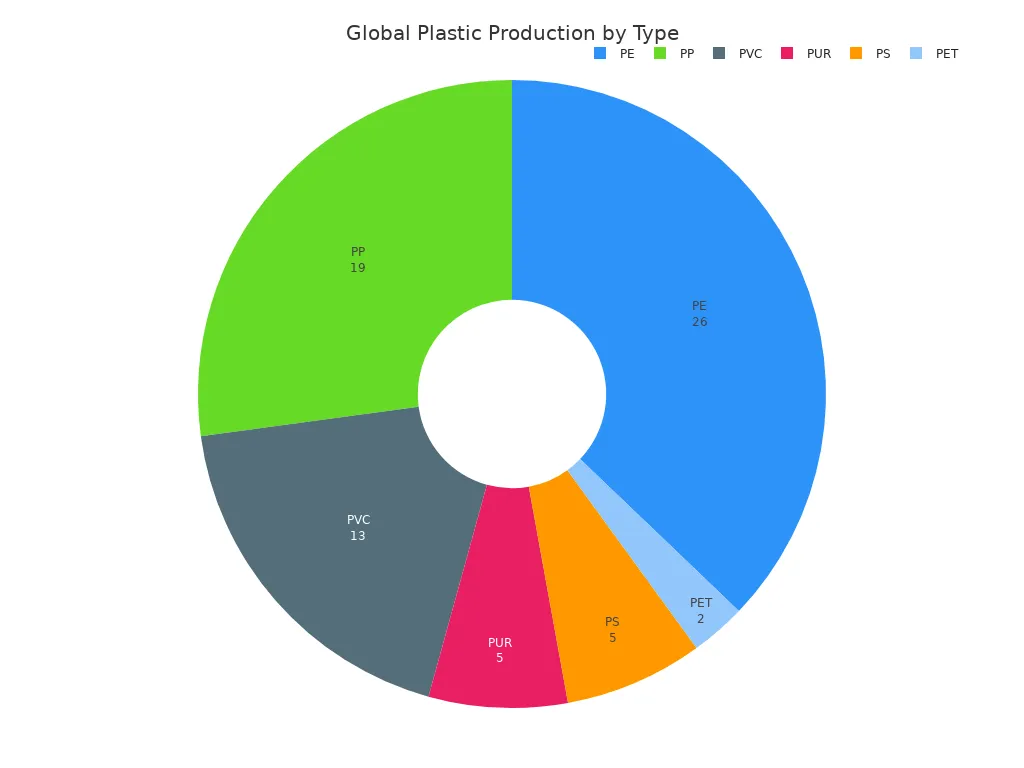
Have you ever wondered why pvc sheet gets so much attention, both good and bad? You hear about its strength, its use in food packaging, and its bold colors, but also about worries over safety and the environment. Let’s get real—most people want to know if these sheets are safe, how they impact the planet, and if they really last. Take a look at how pvc sheets stack up in the world of plastics:
Plastic Type | Percentage of Global Production |
|---|---|
PE | 26% |
PP | 19% |
PVC | 13% |
PUR | 5% |
PS | 5% |
PET | 2% |
You see a lot of myths swirling around pvc, especially about chemicals, recycling, and indoor air quality. It’s time to dig deeper and separate fact from fiction.
Key Takeaways
PVC sheets are strong and versatile, making them suitable for various applications, including food packaging and construction.
Many myths about PVC, such as its toxicity and recyclability, are unfounded. PVC can be recycled effectively and is safe when used correctly.
Modern regulations have significantly reduced the health risks associated with PVC, making it a safer choice for indoor use.
PVC sheets are available in different types, including flexible and rigid, allowing you to choose based on your specific needs.
Using PVC can help you achieve a stylish look in your space, with many colors, patterns, and textures available.
PVC is fire-resistant and self-extinguishing, providing added safety in indoor environments.
Choosing products with certifications ensures you get high-quality PVC that meets safety and environmental standards.
Recycling PVC helps reduce waste and supports a more sustainable future, making it an eco-friendly option.
PVC Sheet: Myths & Facts
Common Misconceptions
You probably hear a lot of misconceptions and myths about pvc sheet. Some people say it’s bad for the environment, others worry about safety, and some think it’s not as strong as other materials. Let’s break down the most common myths you might come across:
Myth 1: Alternatives to pvc are greener. Many believe materials like aluminum or stainless steel are better for the planet. In reality, the carbon footprint of producing pvc is much lower than these alternatives.
Myth 2: pvc can’t be recycled. You might hear that pvc sheets end up in landfills forever. Actually, pvc can be recycled effectively if it’s not mixed with other plastics. It keeps its quality through several recycling cycles.
Myth 3: pvc is toxic. Some claim that pvc emits dangerous chemicals. Once manufactured, pvc does not release harmful substances. Dioxin emissions have dropped a lot since the 1970s due to strict regulations.
Myth 4: The chlorine in pvc is dangerous. People worry about chlorine, but the chlorine in pvc is similar to what’s used in drinking water and poses no threat.
Myth 5: pvc is highly flammable. You might think pvc sheets catch fire easily. In fact, pvc is naturally flame retardant and self-extinguishing, making it safer in fires.
You see these myths everywhere, but most don’t hold up when you look at the facts.
What Science Says
Science gives you a clearer picture of pvc sheet safety and environmental impact. Researchers have studied the effects of polyvinyl chloride and its additives on health and the environment. Here’s what they found:
Health Impact | Evidence Description |
|---|---|
Pulmonary Toxicity | pvc particles can cause toxicity in human lung cells. |
Genotoxicity | Additives from pvc microplastics may lead to genetic damage in marine organisms. |
Concern Type | Evidence Description |
|---|---|
Toxic Additives | pvc contains plasticizers and stabilizers that can leach out and pose health risks. |
Dioxin Production | pvc production once caused dioxin emissions, but regulations have reduced this risk. |
Environmental Impact | pvc waste can contribute to pollution, especially in vulnerable communities. |
Environmental Impact | Evidence Description |
|---|---|
Aquatic Toxicity | pvc microplastics release additives into water, harming marine life. |
Human Health Risks | Exposure to pvc has been linked to health issues like lung cancer and liver injury. |
You might wonder if these risks still exist. Thanks to modern regulations and improved manufacturing, the risks from pvc sheets have dropped. As a leading manufacturer of the comprehensive PVC Series, HUISU QINYE PLASTIC GROUP follows strict global standards to keep you safe.
Additives & Quality
Additives play a big role in the quality and performance of pvc sheet. You see different types of additives used to make pvc sheets flexible, strong, and safe. Here’s a quick look at the most common ones:
Additive Type | Function | Examples |
|---|---|---|
Plasticizers | Make pvc membrane flexible and easy to process | Phthalates, Adipates |
Stabilizers | Prevent damage from heat, light, or oxygen | UV stabilizers, Antioxidants |
Flame Retardants | Slow down combustion and reduce flammability | Brominated, Phosphorus compounds |
You also notice some issues with sheets if additives aren’t used properly:
Surface yellowing happens from UV exposure. UV stabilizers help prevent this.
Large foam cells appear when manufacturing isn’t precise. Careful dosing and temperature control fix this.
Surface imperfections are less common when production stays clean.
Warping can occur if moisture isn’t controlled. Proper storage keeps sheets flat.
Regulations help you stay safe. Here’s how you can make sure your pvc sheets meet safety standards:
Stay informed about rules from groups like the FDA and ECHA.
Conduct risk assessments for additives before using them.
Choose reputable suppliers who know the regulations and provide documentation.
Test and certify products for compliance.
Keep records and communicate your compliance efforts.
You see big differences between rigid and flexible pvc sheets. Check out this comparison:
Property/Aspect | Flexible PVC Sheets | Rigid PVC Sheets |
|---|---|---|
Chemical Composition | Contains 20% to 60% plasticizers for flexibility | Contains little to no plasticizers, resulting in stiffness |
Flexibility | Can be bent and shaped easily | Stiff and inflexible, maintains shape |
Durability | Resistant to abrasion, tearing, and punctures | Highly resistant to impact and chemical corrosion |
Transparency | Available in various transparency levels | More commonly opaque or semi-opaque |
Applications | Used in packaging, signage, medical, and home products | Used in construction, electrical, automotive, and furniture |
Advantages | High flexibility, good weather resistance | High strength, excellent impact resistance |
Disadvantages | May release plasticizers over time | Less flexible, higher cost compared to some materials |
You can choose the right pvc sheet for your needs by understanding these differences. Whether you need flexibility or strength, there’s a pvc sheet for every job.
Tip: Always ask for certification and documentation when buying pvc sheets. This helps you avoid myths and ensures you get quality products.
You now know the truth behind the most common myths. You can make smarter choices and see why pvc remains the king of plastics.
Health & Food Safety
Toxicity Myths
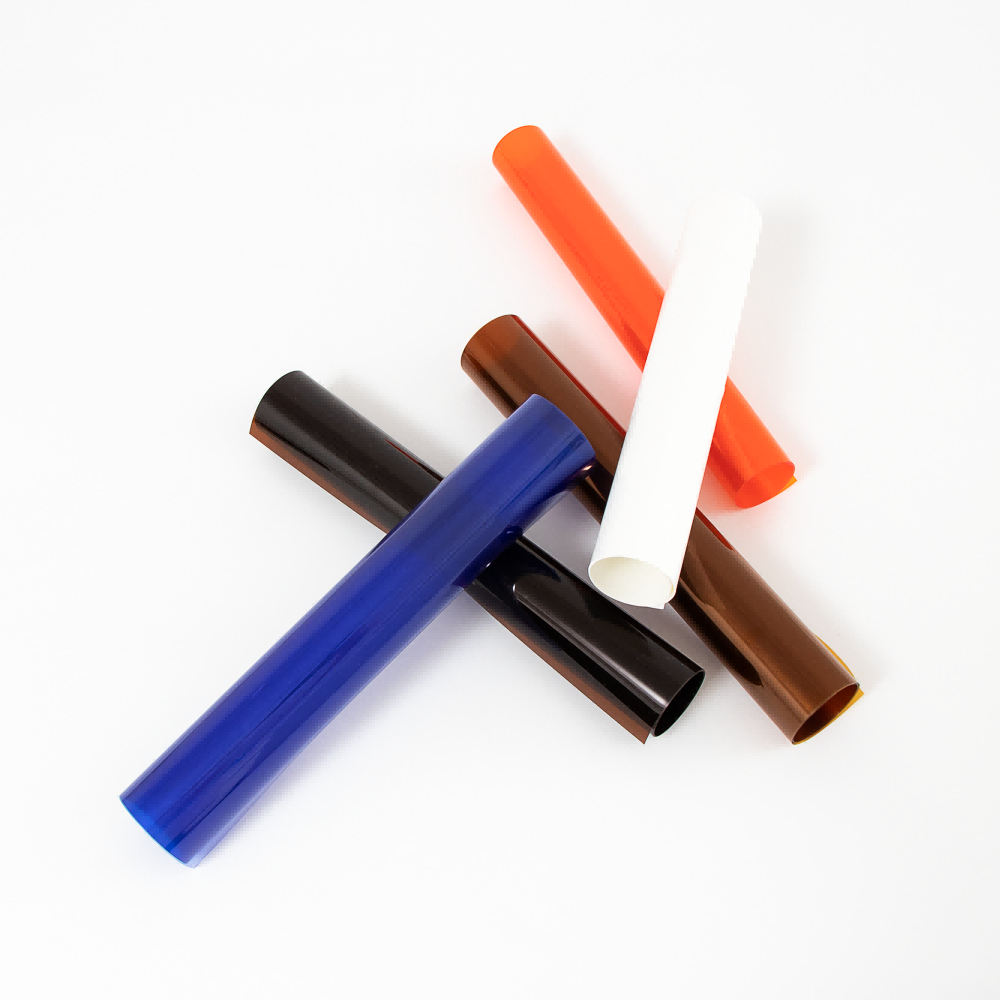
You might hear people say pvc sheet is toxic and dangerous for your health. These stories can sound scary, but you need to know what’s true and what’s not. Some reports link pvc and its additives to serious health risks like infertility, immune system problems, and even cancer. Dioxin, a byproduct from making pvc, is one of the most toxic chemicals known. Additives such as phthalates and heavy metals can sometimes leach out and cause health risks. Fires involving pvc can also release toxic gases before you even see flames.
But here’s the thing—modern manufacturing and strict regulations have changed the game. Today’s food-contact pvc sheet does not contain formaldehyde and meets tough safety standards. In fact, the safety is so highly recognized that PVC is the primary material for PVC pharmaceutical films and blister packs, where human health is the absolute top priority. When you choose products from trusted suppliers, you lower your health risk. You can feel confident using pvc sheet for food packaging when you see certifications from groups like ISO, SGS, and the FDA.
Food Contact Standards
You want to know if your food packaging is safe. That’s why international standards matter. The FDA in the United States checks all new food contact materials, including pvc sheet. Manufacturers must submit a Food Contact Notification, and only after approval can they use the material for food.
Here’s a quick look at how different regions handle food safety for pvc:
Region | Regulatory Standard | Core Mechanism |
|---|---|---|
USA | FDA 21 CFR 177 | ‘Condition of Use’ checks if the raw material is safe for hot, cold, or frozen food. |
You also see annual renewals and strict rules for food contact materials. When you buy from companies like HUISU QINYE PLASTIC GROUP, you get products that meet ISO, SGS, and FDA standards. This means your food stays safe, and you avoid extra health risks.
Indoor Air Quality
You spend a lot of time indoors, so you care about indoor air quality. Some plastics can give off harmful chemicals, but pvc stands out as a safer choice for indoor use.
Feature | PVC (Trusscore) | Other Common Plastics |
|---|---|---|
VOC Emissions | Low-VOC or VOC-free | Often higher VOC emissions |
Off-gassing | Inert, does not off-gas | May off-gas harmful chemicals |
Safety for Indoor Use | Safer option | Varies, some may be harmful |
You can use pvc sheet for indoor use without worrying about indoor air quality. It does not off-gas or release harmful substances, so it’s a smart pick for food packaging, wall panels, and other indoor use cases. You protect your health and keep your space safe.
Tip: Always check for certifications and ask your supplier about indoor use safety. This helps you avoid hidden health risks and keeps your environment clean.
Environmental Impact of PVC Sheet
Production & Regulation
You probably wonder how making pvc sheet affects the planet. The environmental impact starts with the production process. Manufacturers use strict regulations to control emissions and waste. Many factories now use energy-efficient machines that cut down water and power use. You see companies switching to lead-free additives, which help protect your health and the environment. Some producers even use post-consumer or post-industrial resin. This reduces the environmental footprint and keeps waste out of landfills. Closed loop cooling systems save energy and make the process cleaner. When you buy from suppliers who follow green certifications, you support safer and more responsible manufacturing.
Note: Regulations like ISO and FDA standards push companies to improve their production methods and lower the carbon footprint of producing pvc.
Recyclability & Sustainability
You might ask if pvc sheet can be recycled. The answer is yes. You can recycle pvc many times without losing quality. Recycling helps lower the environmental impact and keeps valuable material in use. Some factories collect scraps and leftovers, then turn them into new sheets. This process saves resources and reduces waste. You also see more products made with reclaimed content. When you choose recycled pvc, you help cut down on pollution and support a circular economy.
Recycling Benefit | Description |
|---|---|
Waste Reduction | Keeps pvc out of landfills |
Resource Conservation | Saves raw materials |
Energy Savings | Uses less energy than new production |
You play a role in sustainability by picking products that use recycled materials and eco-friendly additives.
Green Innovations
You see exciting new technologies making pvc sheet greener. Manufacturers now use eco-friendly stabilizers and additives. These improve product safety and help the environment. Some companies develop UV-resistant and flame-retardant sheets, which last longer and need fewer replacements. Automation in factories boosts efficiency and lowers waste. Nanotechnology makes sheets stronger and more durable. You also find antimicrobial and self-cleaning pvc sheets, which keep surfaces safer and cleaner.
Use of reclaimed content in production
Eco-friendly stabilizers and additives
Enhanced process efficiency with automation
UV-resistant and flame-retardant sheets
Antimicrobial and self-cleaning surfaces
Nanotechnology for durability
Recycling innovations and bio-based formulations
You see the industry moving toward greener solutions every year. These innovations help reduce the environmental impact and make pvc a smarter choice for the future.
Tip: Look for products with green certifications and recycled content. You help the planet and get high-quality materials.
Durability & Performance

Weather & Chemical Resistance
You want your products to stand up to tough conditions. That’s where pvc panels shine. These panels offer water and moisture resistance, so you don’t have to worry about mold or rot. You can use them in kitchens, bathrooms, or even outdoors. They also resist chemicals, which means cleaning agents and spills won’t damage your panels. If you compare pvc panels to other plastics, you’ll see the difference in durability.
Material | Weather Resistance Characteristics |
|---|---|
PVC | Offers water resistance, mold protection, and is durable against environmental and chemical degradation. |
Polyethylene | Generally has good weather resistance but can be less durable than PVC in harsh conditions. |
Polypropylene | Good weather resistance, but may not offer the same level of environmental degradation resistance as PVC. |
You get reliable protection with pvc panels, whether you’re dealing with rain, humidity, or cleaning chemicals.
Cold & Heat Tolerance
You might wonder if pvc panels can handle extreme temperatures. Flexible pvc panels endure cold without cracking or breaking. Some grades, like Polar grade, work well in low temperatures down to -25°C. If you need even more resistance, Super Polar panels can handle -60°C. You don’t have to worry about brittleness in winter. These panels also resist heat, so they won’t warp or melt in hot environments. You can use pvc wall panels in walk-in freezers, outdoor sheds, or sunrooms. Your products stay strong and reliable, no matter the weather.
Flexible pvc panels endure cold temperatures without cracking.
Polar grade panels withstand -25°C.
Super Polar panels handle -60°C.
Panels resist heat and won’t warp in hot spaces.
Maintenance & Longevity
You want your products to last as long as possible. Pvc panels make that easy. With simple maintenance, you can keep your panels looking new for years. Regular cleaning with a soft cloth and mild detergent keeps them spotless. You should avoid abrasive cleaners and direct heat. Protect your panels from sharp objects by using pads or mats. If you use panels outdoors, apply UV-resistant coatings to prevent sun damage. Make sure joints and edges are sealed to block moisture.
Here’s how long your panels can last:
Environment | PVC Foam Boards Lifespan | PVC Marble Sheets Lifespan |
|---|---|---|
Indoor | 10 to 20 years | 12 to 20 years |
Outdoor | 5 to 10 years | 8 to 12 years |
You can extend the lifespan of your products by following these steps:
Clean panels regularly with a soft cloth and mild detergent.
Keep hot appliances away from panels.
Use protective pads to prevent scratches.
Apply UV protection for outdoor panels.
Seal joints and edges to block moisture.
Your pvc panels will stay strong and beautiful for years. You get peace of mind knowing your products resist weather, chemicals, and temperature extremes.
Aesthetics & Versatility
Design Options
You want your space to look great and feel comfortable. Modern pvc products give you plenty of design choices. You can pick wall panels that are lightweight and strong. These panels come in many colors, patterns, and textures. Some even have cool 3D designs that make your walls pop. You can use them for walls or ceilings in living rooms, kitchens, or bathrooms.
PVC foam boards offer even more options. You can choose thicknesses from 3mm up to 30mm. These boards work well for interior wall paneling. You get to match different surface materials to your style and budget. You can use pvc sheet for wall cladding, ceiling tiles, or decorative panels. It fits almost any room and brings a fresh look.
Wall panels: Lightweight, durable, and easy to install.
Colors and patterns: Wide range, including 3D textures.
Foam boards: Multiple thicknesses for different needs.
Decorative panels: Great for kitchens, bathrooms, and ceilings.
Tip: Try mixing colors and textures to create a unique design that stands out.
Applications in Food Packaging
You see pvc sheet everywhere in food packaging. It keeps food safe and fresh. You can use it for flexible wraps, containers, shrink wraps, and high-quality PVC sheets for folding boxes. These materials seal tightly and protect your goods from moisture and air. PVC stands out because it prints well and looks good, offering high transparency for retail displays. You can show off your brand with clear, bright packaging.
Here’s a quick comparison of pvc and other materials in food packaging:
Material | Primary Uses in Food Packaging | Comparison to Alternatives |
|---|---|---|
PVC | Flexible food wraps, containers, shrink wraps for sealing | Good printability and aesthetic appeal for branding |
Polypropylene | Various food packaging applications, often more rigid | Biodegradable options gaining popularity |
You get reliable performance and great looks with pvc. It helps your food packaging stand out on the shelf.
Customization
You want products that fit your needs. Customization makes that possible. Whether you need rigid boards for construction or specialized PVC sheets for folding boxes, you can choose the exact thickness, size, color, and finish. Sizes range from 1/4" up to 1 1/2", and you can pick from several standard lengths. If you need something special, you can order custom lengths in “Smartpack” quantities.
Thickness | Available Sizes (feet) |
|---|---|
1/4" | 4×8′, 4×10′, 4×12′, 4×18′, 4×20′ |
3/8" | 4×8′, 4×10′, 4×12′, 4×18′, 4×20′ |
1/2" | 4×8′, 4×10′, 4×12′, 4×18′, 4×20′ |
5/8" | 4×8′, 4×10′, 4×12′, 4×18′, 4×20′ |
3/4" | 4×8′, 4×10′, 4×12′, 4×18′, 4×20′ |
1" | 4×8′, 4×10′, 4×12′, 4×18′, 4×20′ |
1 1/4" | 4×8′, 4×10′, 4×12′, 4×18′, 4×20′ |
1 1/2" | 4×8′, 4×10′, 4×12′, 4×18′, 4×20′ |
You can match your project with the right thickness and size. You can also pick colors and finishes that fit your brand or style. Customization lets you create packaging or panels that look just the way you want.
Note: Custom pvc options help you get the perfect fit for your space or product.
Fire Resistance & Safety
Fire Retardant Properties
You want to feel safe in your home, school, or workplace. Fire safety matters, especially when you choose building materials for indoor spaces. Many people ask how different plastics perform in a fire. You might be surprised to learn that pvc stands out for its fire resistance. It does not catch fire easily, and it can even stop burning on its own. Take a look at how it compares to other plastics:
Property | PVC Sheet | Other Plastics |
|---|---|---|
Fire Rating | Class B1 or B2 | Varies |
Flammability Classification | V-0 (UL94) | Varies |
Self-Extinguishing | Yes | No |
Limiting Oxygen Index | 35-45% | Lower |
You see that pvc needs more oxygen to burn than most plastics. This means it is less likely to catch fire in your indoor environment. If a fire does start, pvc can stop burning once you remove the flame. That gives you extra time to react and stay safe.
Myths About Fumes
You may have heard stories about dangerous fumes from burning plastics. Some people worry about what happens if a fire breaks out indoors. Let’s clear up the facts. When pvc burns, it can release some toxic gases. Here’s what you need to know:
Dioxins can form when you burn materials like vinyl chloride and pvc. These can get into the air and water.
Firefighters face health risks from these fumes. Cancer is a leading cause of death among them.
Dioxins and similar compounds come from burning chlorine-based chemicals. Pvc is a main source.
The U.S. Environmental Protection Agency says dioxin is extremely toxic. There is no safe level of exposure.
Burning pvc can release hydrogen chloride gas. This gas is dangerous if you breathe it in.
In a building fire, toxic fumes can fill indoor spaces before you even see flames.
You should know that these risks mostly happen during large fires, not during normal indoor use. Modern safety rules and good ventilation help protect you and your family.
Building Standards
You want your indoor space to meet safety codes. Building standards help keep you safe. Most countries have rules for fire safety in indoor areas. These rules cover how materials like pvc should perform in a fire. You will find that many building codes require materials to have a certain fire rating. Pvc sheets often meet or exceed these ratings. This makes them a smart choice for wall panels, ceilings, and other indoor uses.
If you plan a renovation or new construction, always check your local building codes. Ask your supplier for fire safety certificates. You can feel confident using pvc in your indoor projects when you see these documents. Safety comes first, and the right materials make all the difference.
Tip: Choose materials with a high fire rating and self-extinguishing properties for your indoor spaces. This helps protect your family and your property.
You’ve seen the real story behind pvc sheet.
Modern pvc offers low-VOC indoor air quality, strong fire resistance, and impressive moisture protection.
You can count on its durability, versatility, and eco-friendly recycling options.
Today’s facts clear up old myths about flammability and health risks.
Dr. Chris DeArmitt shows that well-researched facts reveal pvc as a safe, reliable choice. You can confidently call it the king of plastics when you use it responsibly.
FAQ
What makes pvc a popular choice for food packaging?
You get strong, clear, and safe packaging with pvc. It keeps food fresh and protects it from moisture. You can also print bright designs on it, which helps your products stand out on the shelf.
Can I recycle pvc sheets at home?
Most curbside recycling programs do not accept pvc sheets. You should check with your local recycling center. Some centers have special drop-off locations for this material.
Is pvc safe for indoor use?
Yes, you can use it indoors. Modern pvc sheets have low VOC emissions and do not off-gas harmful chemicals. You get a safe option for wall panels, ceilings, and food packaging.
How do I clean pvc panels?
Just wipe the panels with a soft cloth and mild soap. Avoid harsh cleaners or scrubbing pads. You keep your panels looking new with simple care.
What thickness should I choose for my project?
Pick the thickness based on your needs. Thinner sheets work well for crafts or packaging. Thicker panels give you more strength for walls or furniture. Ask your supplier or contact us for advice if you are unsure.
Does pvc resist mold and moisture?
Yes, pvc resists water and mold. You can use it in kitchens, bathrooms, or other damp places. It stays strong and does not rot.
Can I customize the color and size of pvc sheets?
You can order custom sizes, colors, and finishes. Many suppliers offer a wide range of options. This helps you match your project or brand style.
What types of PVC products can HUISU QINYE supply?
We offer a comprehensive range to meet diverse industry needs. Our main products include the versatile PVC Series for general applications, highly safe PVC pharmaceutical films for medical use, and premium PVC sheets for folding boxes for retail and food packaging. All products are customizable and meet international safety standards.
Tip: Always ask for certifications when buying materials for food or indoor use.
Stay Connected with HSQY
Recommended Products
-

Hot-selling Transparent Printable PVC sheet for Making Folding Box
-

High Glossy Polymer Pvc Sheet 250 Micron Clear Pvc Plastic Film Roll For Medical Packing
-

Hard Rigid 0.5mm Transparent Clear PVC Sheets for Folding Box
-

China Manufacturer Rigid Clear PVC Sheet Roll – Custom Thickness & Width for Folding Box


Recent News
-
1.How HSQY’s Rigid Clear PVC Sheet Rolls Serve Both Pharma Blister Packs & Retail Folding Boxes
2026-04-10 -
2.PVC Sheet Selection Mastery: How to Match Material, Application & Supplier
2026-05-15 -
3.PVC Sheet Innovations 2026: Lightweight, Recyclable & Smart Sourcing
2026-05-19 -
4.Essential Tips for Picking the Perfect PVC Sheet
2026-05-09